Booze of the World 4: Brazil

Unlike we reserved Englishmen, the Brazilians don’t need a drop of alcohol to start dancing in the streets. Still, once the caipirinhas are flowing, the party ramps up a notch…

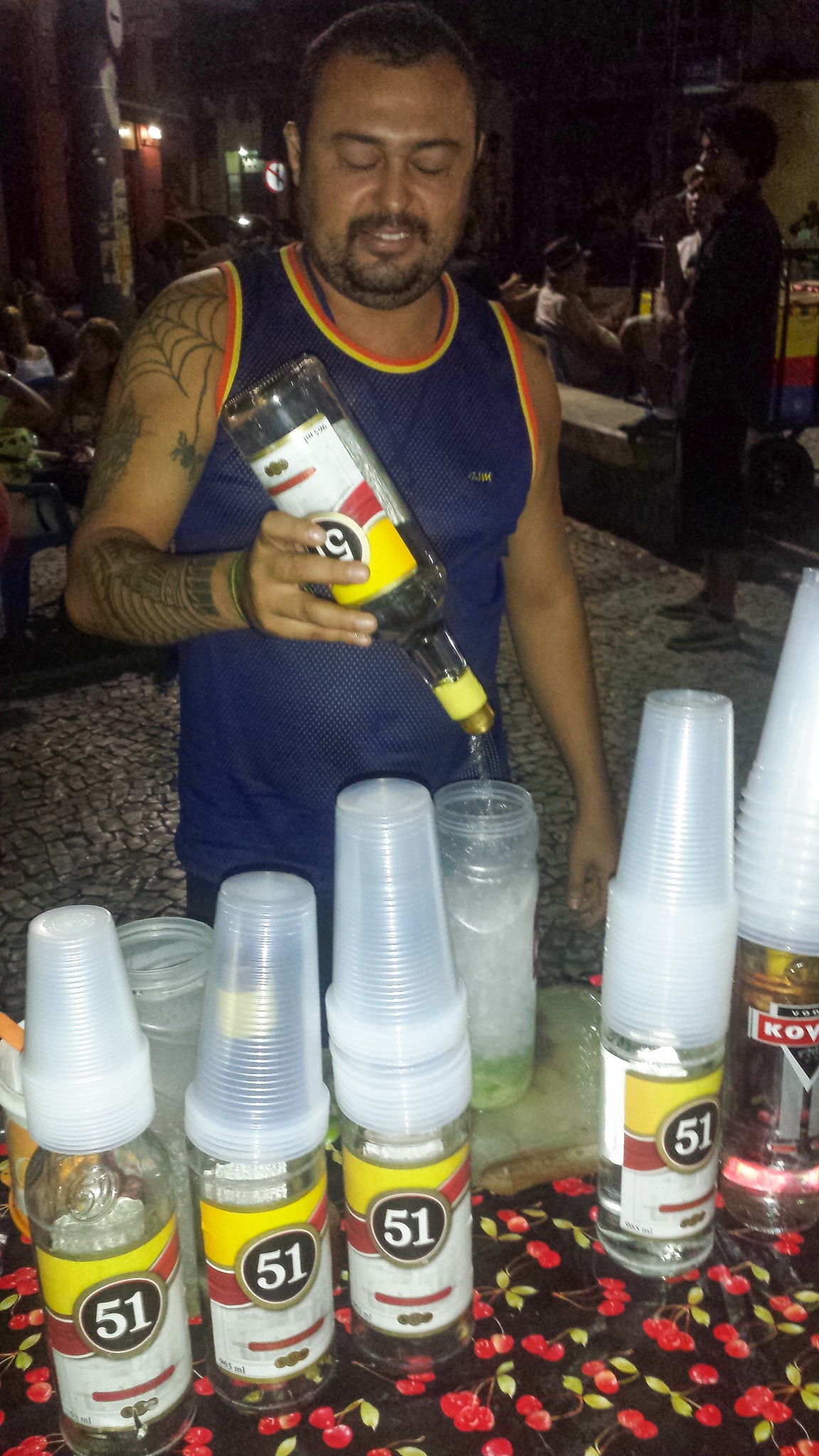
Caipirinha: Where else to start but with Brazil’s most famous poison. Bewilderingly strong and insanely sugary, the main ingredient of this simple cocktail is cachaça, a spirit made from sugar cane. Mix it up with lime and yet more sugar, and you’ve got yourself a Samba party in a glass. The big difference between caipirinhas is the quality of the cachaça. At one end of the scale there’s the eye-wateringly potent stuff you get from street vendors for about 8 reals a pop (about £1.80). Here’s a Peruvian guy we met who set up a little stall in Lapa after someone sold him the cart.
Caipirinha stall in Lapa

We met this guy a few times but i’m damned if I can remember his name…

At the other end of the scale, ‘The Original’, available at the prestigious Skye Bar at the top of the Hotel Unique, will set you back a wallet-busting 38 reals (£8.50), largely because it’s made with the extra premium Cachaca Yaguara.
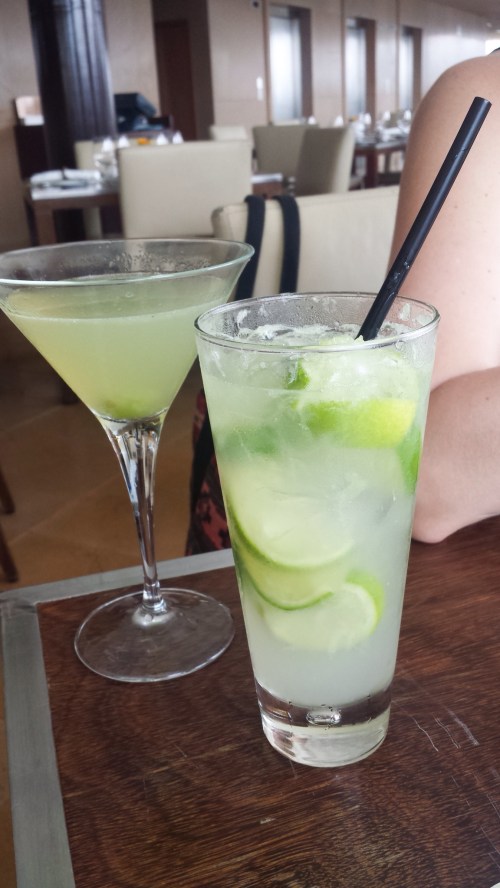
'The Original' caipirinha at the Skye Bar, Hotel Unique, Sao Paolo

Posh caipirinhas may not be authentic but they’re tudo bem. Tudo bem indeed.

The Skye Bar version (a birthday treat for me) was certainly the smoothest and best tasting. But for value and authenticity, give me the three-in-the-morning street caipirinha in Rio’s party district of Lapa.

Beer: The first thing to know about Brazilian cerveja is that they like it so cold that you can hardly taste it. That’s good news though, as most of it is dishwater. Itaipava, Schin, Devassa, Skol, Bohemia, Antarctica…it wouldn’t come as a surprise to find they were all the same weak product with different branding. Mind you, when it’s 40 degrees and you’re thirsty, flavour has to take a back seat sometimes.

Not all is lost. You can find a great range of craft beers, mostly hailing from the south, which has a substantial population of German descent.

Trouble is, good quality is just as expensive, if not more so, than what you’d find in London or New York. Still, if you’re fed up of the Pisswasser on offer elsewhere you’ll be ready to fork out. My recommendation is the Therezopolis Gold, smooth with a lightly sweet malt finish. Yum.
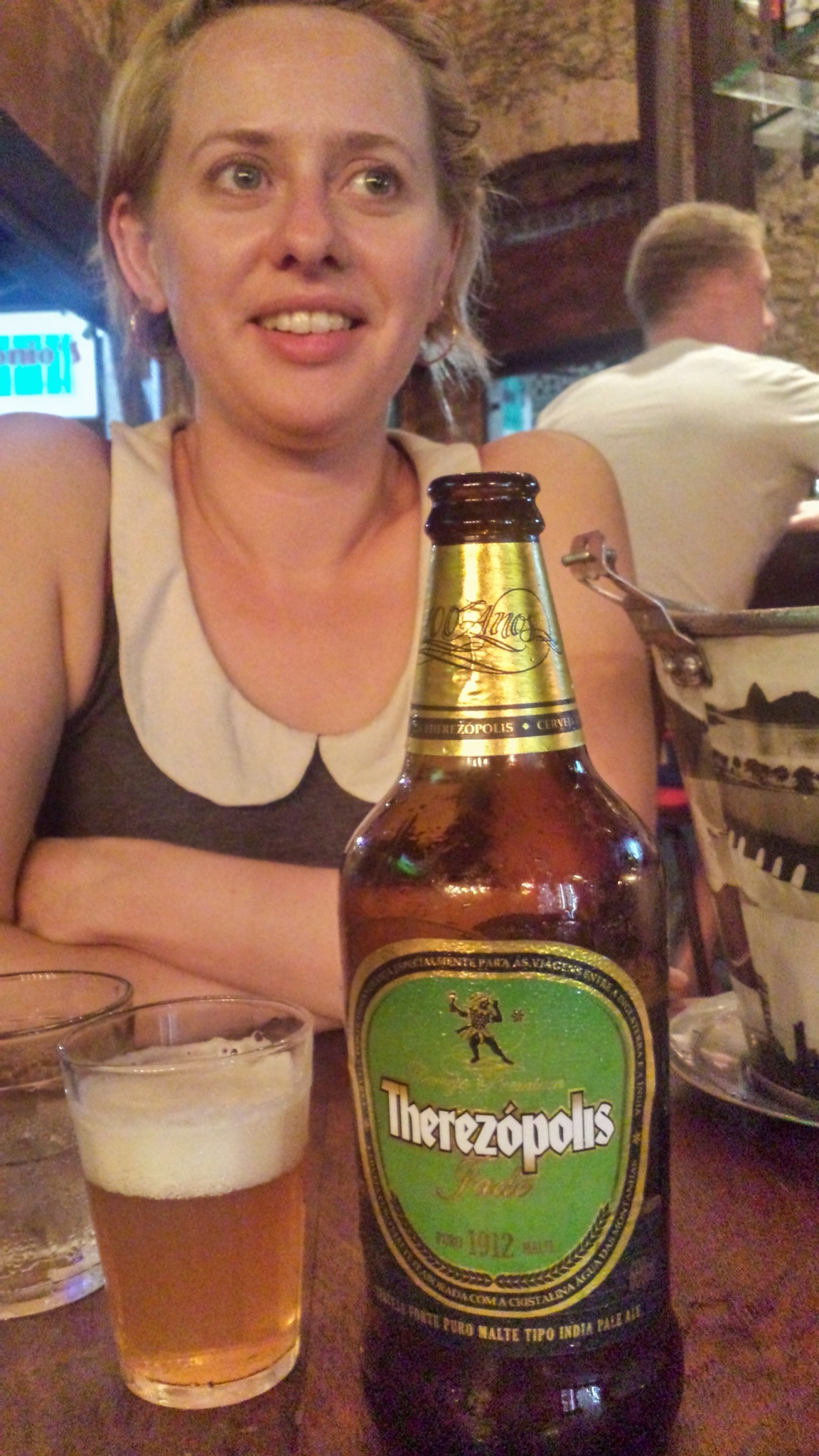
Therezopolis Gold

Smooth, golden and tasty. And the beer ain’t bad either…

For a huge range of Brazilian and foreign brews, head to the Boteco Carioquinha on Rua Gomes Freire in Lapa. It’ll set you back a bob or two but if you’re splashing out on beer, this is the best place to do it.

Beers at Boteco Carioquinha

Brewdog is just as expensive in Brazil…nice taste of home though

One last thing to know about Brazilian beer is that it tends to be served in two forms. One is Chopp, roughly a half-pint usually with a sizeable head. The other is Longneck, a large bottle of around 500ml, usually served in a cooler to keep it as near to freezing as possible.

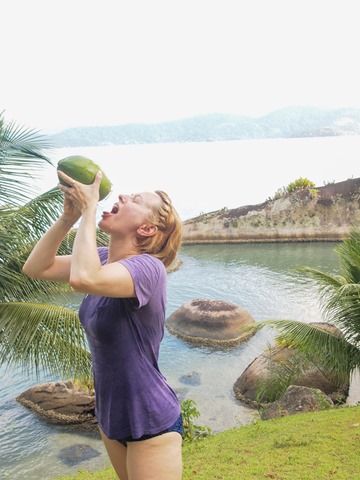
Other: Coconuts abound anywhere near the coast, so there’s always the default Latin American beach tipple Cocoloco (see Booze of the World: Central America), a coconut with the top hacked off and some rum mixed with to the delicious nectar inside.

I’m sure the Amazonian regions have some crazy local firewater but we didn’t venture that far.

There is Brazilian wine but, for the most part, stay well away if you value your taste buds. However, over Christmas at the stunningly awesome Capim Santo hotel in the hippy beach town of Trancoso we stumbled upon the Casa Valduga ‘Indentidade’ Gewurztraminer, which was fairly complex, floral but not too sweet and very very drinkable. Wonders never cease.

Casa Valduga Gewurztraminer

Try saying Gewurztraminer in a Brazilian accent. Go on, try it!

The verdict

Top tipple: Street caipirinhas. Cheap, authentic and damn effective.

Gourmet’s choice: ‘The Original’ at Sao Paolo’s Skye Bar

Bubbling under: Therezopolis Gold

What to slur drunkenly: Brazilian Portuguese sounds like drunken Spanish anyway, so pretty much anything works. However, ‘tudo bem’ is your all-purpose expression of merry contentment.

Special ‘Actually that’s not too bad’ award: Casa Valduga ‘Identidade’ Brazilian Gewurztraminer.

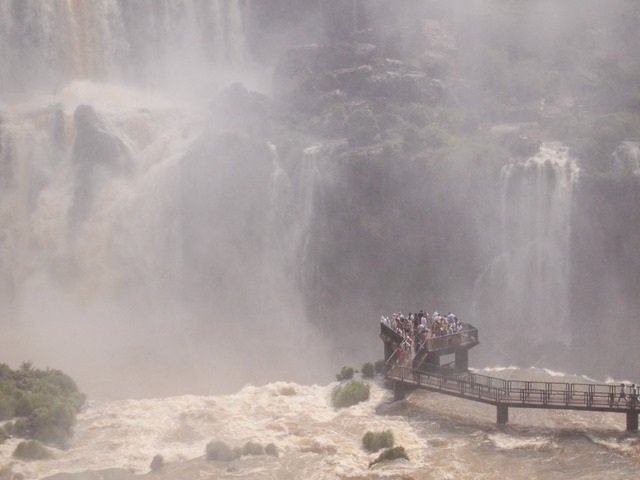
Iguacu falls

Iguaçu Falls: Three tips and a load of gratuitous pictures

Visiting the Iguaçu Falls from the Brazilian side is more or less foolproof. Just turn up, go see the Cataratas, and then get the hell out of there. It’s so easy it barely even warrants a blog post but we needed an excuse to show you some of our pictures. So here are our three “Top Tips” for visiting Foz de Iguaçu.
1. Don’t stay longer than you have to

If you’re staying in Foz, you need two days, max. Do the Brazil side in a couple of hours then book a day trip to the Argentinian side (you can visit independently but to be honest it’s worth the money just to avoid the palaver at the border). Foz itself is entirely without touristic appeal. There isn’t even a good restaurant to take the edge off its relentless charmlessness. Get in and get out.

2. Take a raincoat

You WILL get wet. Not only from the spray coming off the falls but if it rains (which it does, a lot) you will get soaked to the skin. We got caught in not one but two serious storms and it really wasn’t much fun. Also, do make sure your electricals are safely stowed in waterproof bags or at least a plastic bag inside your backpack or handbag. If you need further convincing, this is what happened to Franki’s iPhone after a very soggy trip to Garganta del Diablo.

Broken iphone

3. Replace broken gadgets on the cheap

Ciudad del Este, over the border in Paraguay, is a tax-free shopping haven. If you do have an extra day or you’re looking to replace lost or broken electricals, this is the place to go. It’s hot, dirty and hideous but worth it for the cheap deals. On our last day we took a bus to the Free City Of The East, as we dubbed it, and picked up a new backpack for Rob and a new smartphone for Franki (see above).

Thanks for reading. Now here are some pictures of waterfalls…

Iguacu falls Iguacu falls Iguacu falls

Iguacu falls Iguacu falls


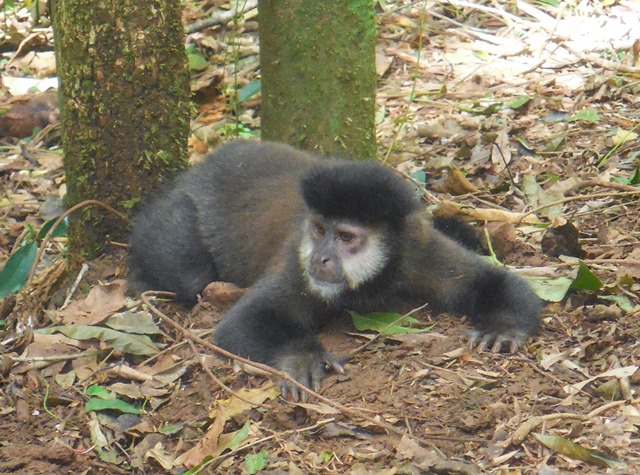
… and one of a monkey.

iguacu falls

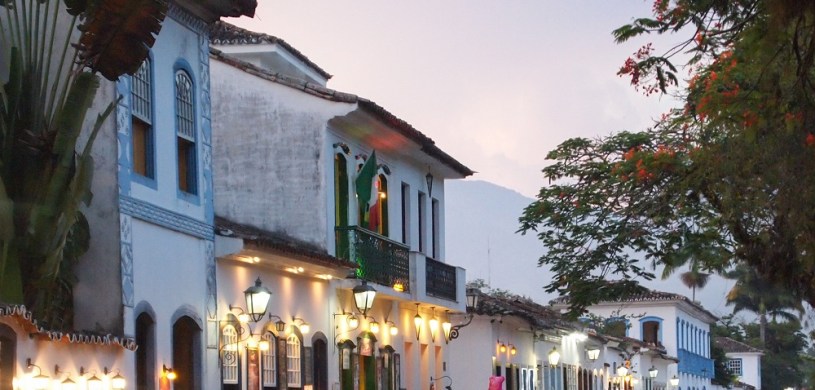
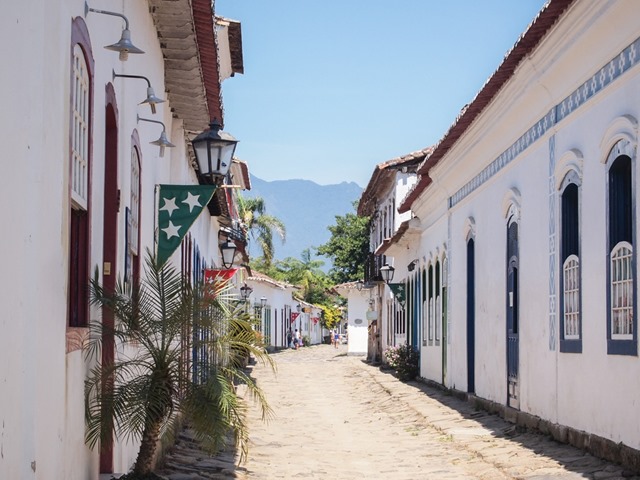
Paraty old town

Beating the heat in Paraty

We arrived in Paraty on January 10th. I wouldn’t recommend it. To be honest I wouldn’t recommend going anywhere in Brazil in January. After a beautiful Christmas and New Year in Trancoso and Salvador, we made our way back to Rio for a few days. And that’s where it started.

Over the course of the week, the mercury crept up. We took needless trips on the metro simply to be somewhere air-conditioned. By the time we left the city, the temperature had hit 40 degrees and the humidity was closing in. Our escape to the countryside did nothing to relieve us. Even the most beautiful places on earth can be rendered ugly when merely venturing outside your hotel feels like being suffocated with a warm, damp flannel.

Ok, not that ugly.

Paraty Old Town

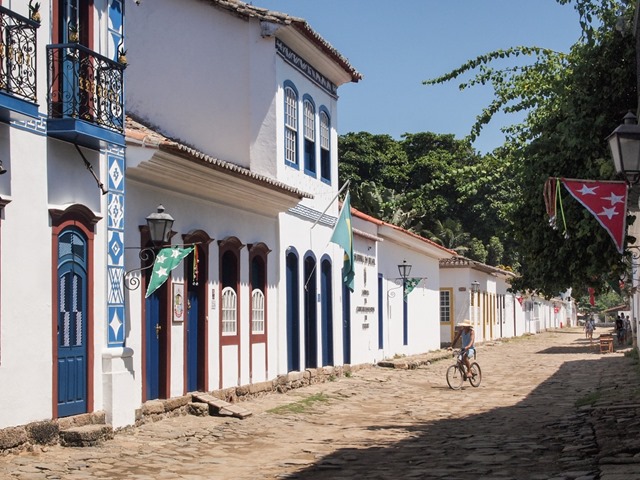
Paraty (pronounced Para-chee) is a tiny colonial town, four hours down the coast from Rio de Janeiro. It was built in the mid 1500s by Portuguese gold prospectors. They found what they were looking for and set up shop right here between the mountains, the rainforest  and the ocean. Like Cartagena and Salvador, the city centre is a UNESCO World Heritage site and as a result a wander through it’s cobbled streets feels rather like stepping back in time.

Paraty old town

Given the extreme heat, it quickly became clear that our time-travel experience would be more enjoyable under the relative cool of evening. By which I mean 37 degrees as opposed to 40. I had to buy two pairs of shorts (and I do not do shorts) but by that stage I’d have happily walked around in my underwear. Oh wait… this is Brazil, I can walk around in my underwear.

Well, my bikini anyway. And luckily there are plenty of activities in and around Paraty for which swimwear is the only appropriate outfit. First on anyone’s list should be a boat trip around the spectacular bay.

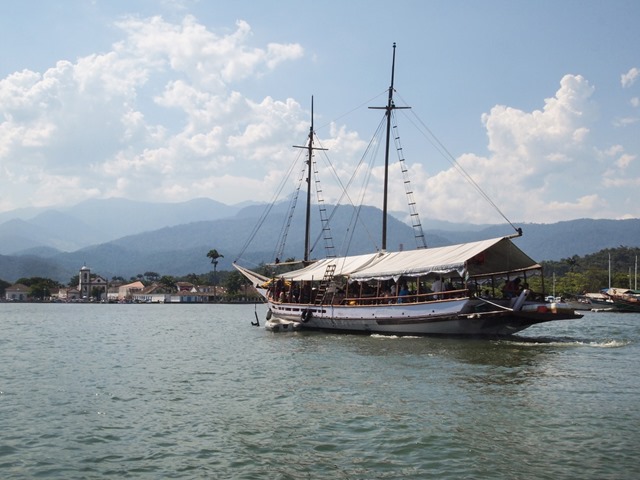
Paraty boat trip

They’re easy enough to find. Just head down to the marina and pick one. We walked past dozens of gorgeous boats, decked out with tropical printed cushions and brightly coloured bunting, until we found the “Moana”. For R50 (£12.50) we were able to take in four different swim stops, including the much-vaunted turtle beach where a colony of sea turtles can occasionally be spotted in the warm, green water.

And when I say “warm”, please know that this isn’t just a case of trite travel copy. As the sun beats down, anyone looking longingly at the glistening waves is in for a surprise. Jumping off the boat is like jumping into a bath as the shallow waters around the islands retain the day’s heat. Still, the breeze is beautiful and the views… yeah, the views were alright.

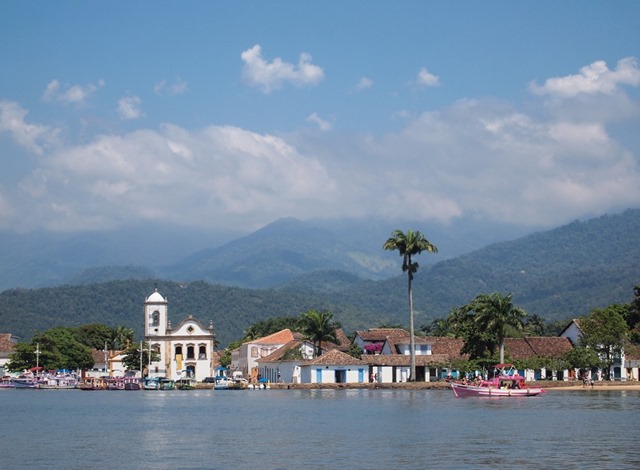
Paraty harbour

Inland we had more luck cooling off. At Cachoeira do Tobogã you can slide down the natural waterslides created as the river water flows over smooth rocks. Sit at the top and one of the locals will be kind enough to give you a push… that’s if they’re not busy showing off. The boys attract quite a crowd as they perform tricks, sliding down on their feet, flipping into somersaults, and landing in perfect dives at the bottom.

Fearing the broken bones, we retreat upstream where you can swim in the freshwater pools or lie beneath the waterfalls. This is basically Rob’s idea of heaven and I lost him for some time to the gently cascading waters.

Cachoeira do Toboga

From Paraty bus station the bus to Penha costs just R3.40 (85p) and takes half an hour. From Penha it’s a ten minute walk to the waterfalls. Entrance is free and there’s a cafe (read: tourist trap) alongside the pools where you can buy lunch and drinks.

Speaking of food, Paraty has plenty to offer in terms of restaurants. If you can handle the (extra) heat, the pretty courtyard at Thai Brasil on Rua do Comércio is a fantastic place for a fish curry. Our favourite was the slightly pricier Banana da Terra on Rua Doutor Samuel Costa which does classic Brazilian food (get the octopus, it’s delish!). And Rob kindled something of a love affair with Pistache, an ice cream parlour where you pay “by the kilo” although whether or not you eat by the kilo is entirely between you and your coronary arteries.

At the start of the week we had enthusiastically booked ourselves in for a four-hour kayaking trip. It sounded idyllic at the time; an early evening paddle out across the bay and through the mangrove swamps to watch the sun set over the mountains. But after a few days in this sweatbox I have to say we were slightly dreading it. I mean, kayaking is exercise for crying out loud.

In some kind of divine intervention on behalf of our sweat glands, however, the sky clouded over and as we made our way to the beach there was actually – can it be true? – a light breeze. The day was turning dusky and as we paddled our two-man kayak out towards the islands, we were able to catch the occasional silvery flash of fish leaping out of the water. Well, I did. Rob, as the rear oarsman, couldn’t see a damn thing.

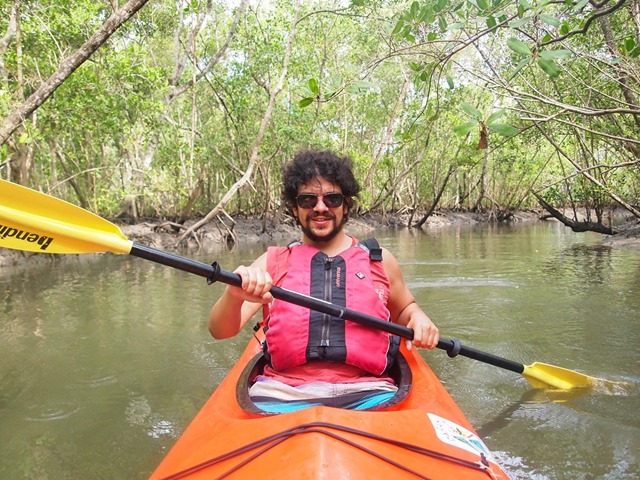
Paraty kayaking trip

He fared a bit better in the mangrove swamps where enormous vivid red crabs scuttled about on the muddy banks and across the low branches of the trees, often just inches from our faces. On the way back we stopped on an island, bought up a few years back but abandoned after the owner ran out of cash for his building project. Along with our guide, we ran along the half-finished jetty to the palm-lined pathways where we shook coconuts down from the trees and bashed them against the rocks.

Coconut water

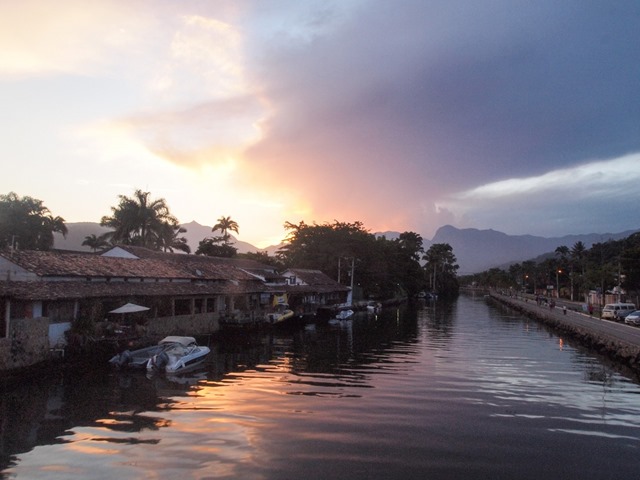
We walked back in the dusky evening light, winding our way through Paraty’s fairytale streets, now alive with light and life. The grand wooden doors leading to shops and restaurants were opened wide and through the latticed windows came the sound of  laughter and music.

On the way we stopped to take pictures of the sunset. Looking at them you’d never know that all we wanted to do was get back to our air-conditioned hotel room.

Paraty old town

So long, Paraty. Thanks for a sweaty, sweaty time.

[Customer service update: Turns out best time to go to Paraty is actually April, May, or September]

Paraty kayaking

View over Rio de Janeiro

Seven cool things to do in Rio de Janeiro

It won’t come as earth-shattering news that Rio de Janeiro is pretty awesome. Brazil’s beachside metropolis was already high on the list of must-visit cities before the 2014 World Cup but the football bonanza has made Rio hotter than ever.

We’re assuming you already know about Christ the Redeemer, favela tours and Copacabana Beach. So here’s the Let’s Be Adventurers rundown of the best of the rest.

1. Drink street caipirinhas in Lapa – A lot of tourists end up staying in Copacabana or Ipanema but the truth is that neither are particularly interesting, or authentic, when it comes to nightlife. Instead, head to the all-night street party that is Lapa, where Rio’s cool and multicultural kids hang out, listening to live music, flirting outrageously and drinking caipirinhas sold by street vendors. There are cool bars and restaurants here too but most of the action is outside.

Caipirinha stall in Lapa, Rio de Janeiro

2. Take the Metro – If you visit in Brazil’s sweltering summer, chances are it’s 40 degrees outside, you are a sweaty mess and you need a break. So the air-conditioned Metro comes as a blessed relief. Buy a MetroRio card and ride in ice-cool comfort throughout the city. It’s safe, clean, affordable and a great way to check out attractions further afield, such as the world-famous Maracana stadium.

3. Catch some live music – In Lapa, but also further afield, Rio has some great live music. If you’ve spent any time in the rest of Latin America before arriving here, you’ll be sick to the back teeth by now of salsa, cumbia, and Latin love songs by some middle-aged sap moaning about his bloody ‘ corazon’. With its diverse cultural influences, Rio has a more eclectic scene with anything from funk, jazz, rock to tourist-friendly samba all to be found all over town.

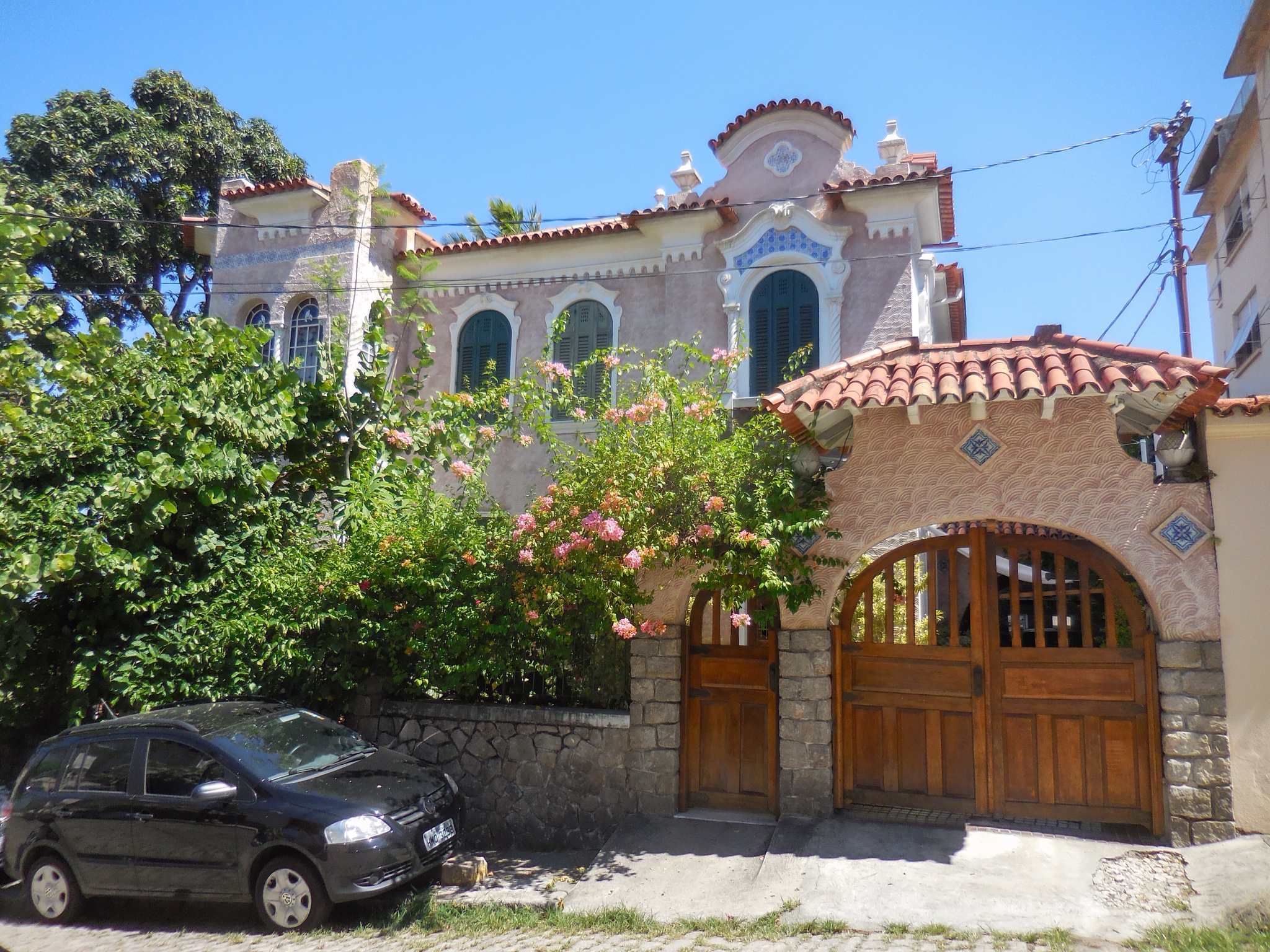
4. Stroll around Santa Teresa and the Selaron steps – Just up the hill from Lapa is the artsy and chilled Santa Teresa district, a tranquil spot for a relaxed wander through winding hillside streets, glimpsing views of the city through the gaps between some of Rio’s most attractive houses.

House in Santa Teresa, Rio de Janeiro

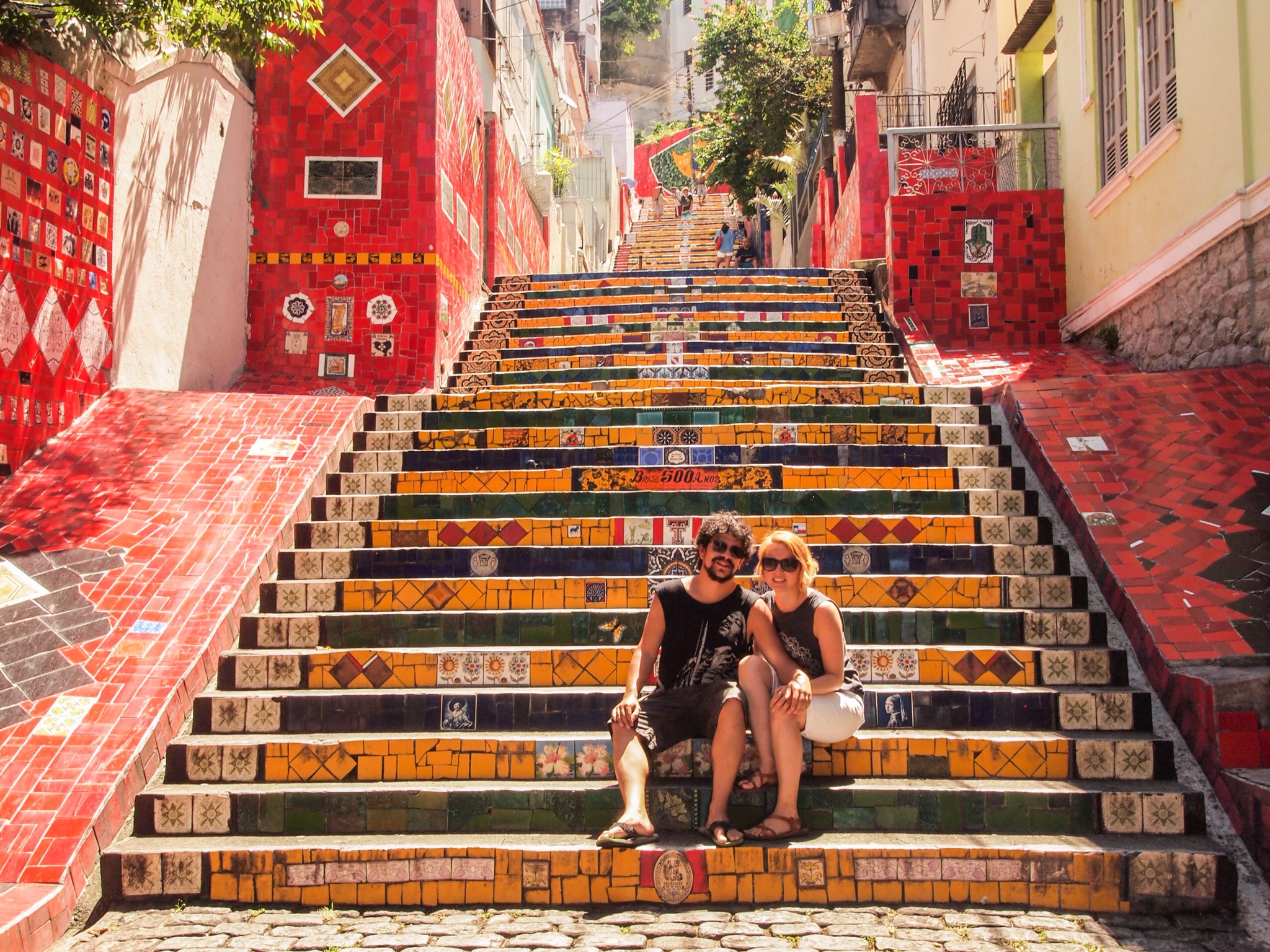
From Santa Teresa, walk down the hill to the top of the Escadaria Selaron. These colourfully tiled steps were a gift to the city by Chilean-born artist Jorge Selaron who lived here either side of the millennium , this is an amazing public artwork that you could spend ages exploring. As you descend, you’ll see that it was put together using tiles donated from around the world by admirers of his project. Selaron was found dead on these very steps in 2013, an end befitting Brazil’s potent mix of passion and tragedy.

The Escadaria Selaron

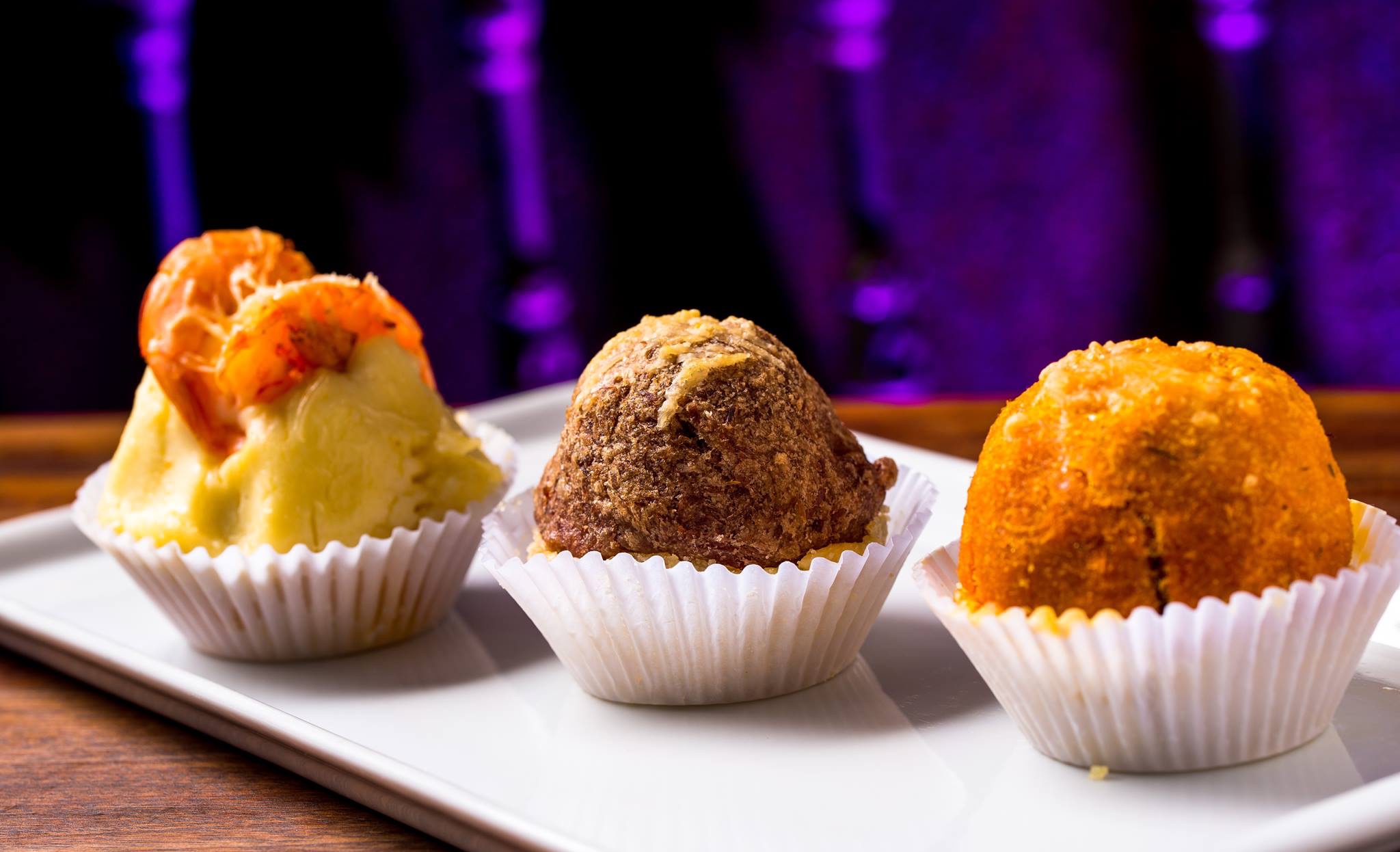
5. Eat prawn cupcakes – Alright, they’re not really called prawn cupcakes. But if you go out drinking in Rio’s bars, you’ll often see waiters circulate with trays full of delicious-looking snacks, such as bolinhos of cod and little cupcakey things with delicious fillings such as prawn or cheese. Or both. Not only are they tasty as hell but at 2am they’re a great way of keeping a lid on your drunkenness. If that’s what you want. Try Belmonte in Lapa or Copacabana for mouth-watering late-night snackage.

Food at Boteco Belmonte, Rio de Janeiro
6. Go for sushi – Not immediately obvious perhaps but Rio enjoys the winning combination of a large Japanese community and all the fish you could shake a stick at. At Azumi in Copacabana, we wolfed down some of the most succulent melt-in-the-mouth sushi of our lives. It isn’t cheap if you really intend to fill your belly but my word it’s tasty.

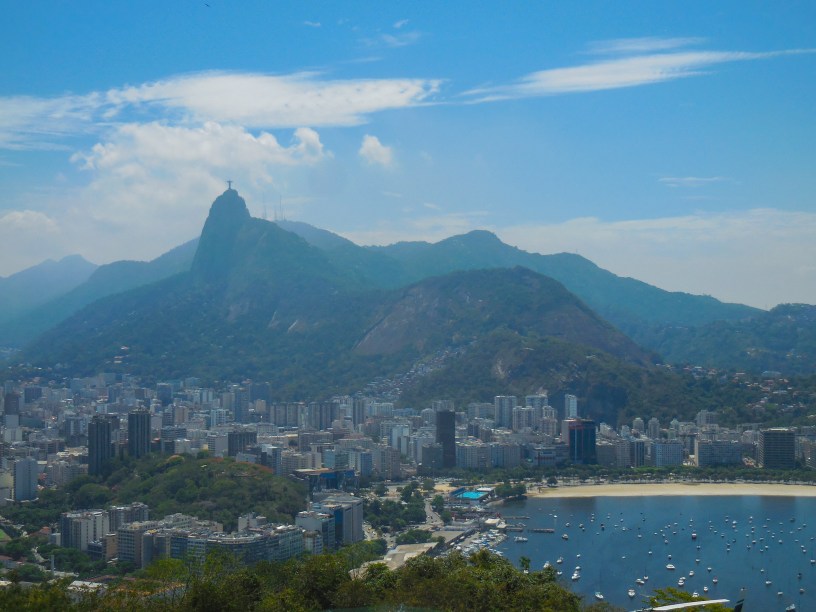
7. Watch planes take off from Sugar Loaf Mountain – Pao de Acucar, as it’s called in Portuguese, is one of the more obvious spots to visit during your time in Rio. The views of the city are incredible but one of the most mesmerising sights is the aeroplanes taking off and landing at Santos Dumont airport. Watch from above as they speed down the runway – the roar of the engines reaching you a second or two later. As they ascend, they glide past at eye level close enough that you can nearly see the passengers through the windows. Not just for planespotters.

Plane taking off from Santos Dumont airport, Rio de Janeiro
Trancoso

Christmas in twinkly Trancoso

When you’re travelling for a year it can be hard to convince the folks back home that you deserve a treat. After all, isn’t every day a treat when you’re on the road, waking up every morning to visit new places and see new things?

Of course the answer is yes. But while backpacking is incredibly enriching for the soul, it is less kind to the body. And after two months of cold showers, communal kitchens and cockroaches it’s fair to say we were looking forward to spending Christmas somewhere a little more salubrious.

We arrive in Trancoso on December 23. It is a notoriously tricky place to get to. You have to take an overnight bus or fly from Rio to Porto Seguro, an entirely charmless resort just up the Bahia coast. From there it’s a ferry and two buses.

However, the night before (and as if to prove my point about the effect of backpacking on the body) Rob had been rendered unexpectedly immobile with excruciating back pain. After an attempt to hobble, wincing, out for dinner had ended, almost literally, in tears, we took the executive decision to fork out for a cab.

Perched on a cliff above miles of golden sand, tiny Trancoso is a slice of chilled out paradise on Latin America’s busiest coastline. After wealthy bohemians from Sao Paulo set up camp here in the 1970s, it quickly became a byword for rustic sophistication.

https://instagram.com/p/xHp49ix1mI/?modal=true


These days Brazilians flock here to spend the festive season in laid back bliss. And not just Brazilians. The week after we were there, Kate Moss and Naomi Campbell descended on the resort and sent the paparazzi into a frenzy as they frolicked on the beach.

Needless to say, upon arriving at the Capim Santo hotel, we feel conspicuous with our grubby backpacks and thrice-worn T-shirts. We needn’t have worried. The place is as relaxed as it is beautiful. Surrounded by leafy gardens, the rooms are housed in individual air conditioned cabins, their interiors a masterclass in laid back luxury. Whitewashed wood and pale tiles appear airy and bright while fresh white linens, sheepskin rugs and patterned bedspreads add texture and warmth. Voluminous mosquito nets hang lazily from the four poster bed and a colourful hammock on the front porch provides a final touch of hippy chic.

capim santo trancoso

We try to play it cool as the staff show us around but inside we’re bursting with excitement: “There’s hot water! And a hairdryer! And air conditioning!”

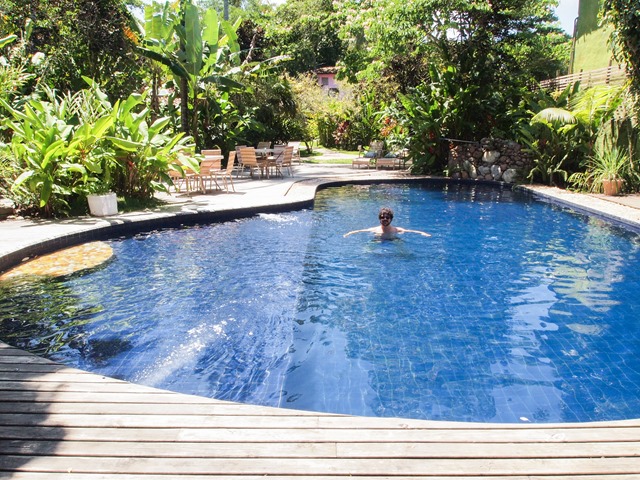
Outside the hotel room, the shimmering water of the jungle-style pool is enough to produce an audible sigh.

Capim Santo Trancoso

“And this is the way to the Quadrado,” says the manager, pointing to a wooden gate.

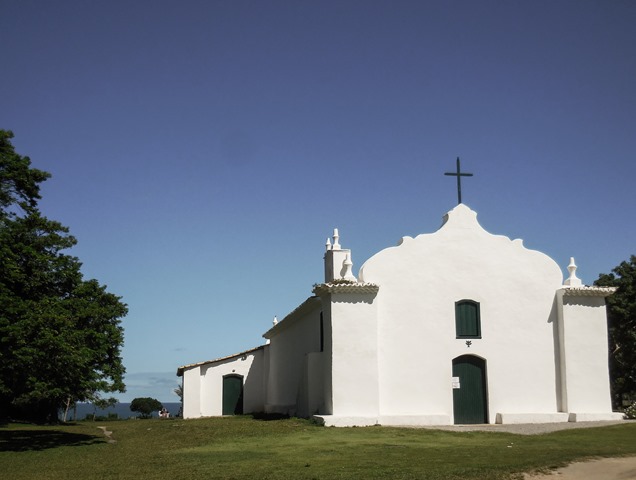
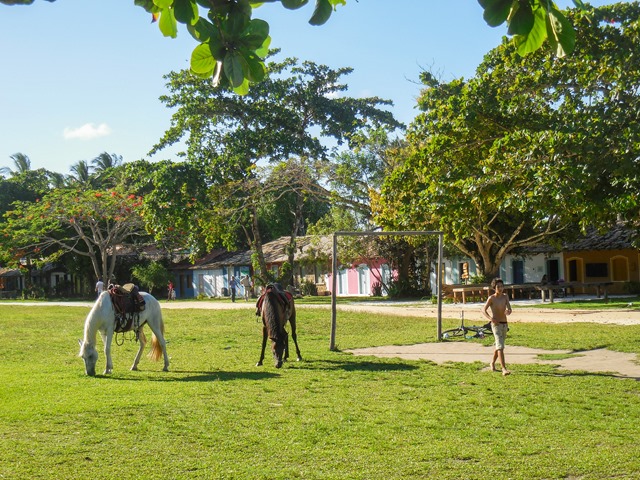
The Quadrado is Trancoso’s town square… if you can call it that. The grassy lawn that runs up the edge of the cliff, is more village green than central plaza. A tiny 16th century church built by the Jesuits who founded the original settlement back in 1586. In the afternoons children play games on the grass while bronzed holidaymakers in flowing sarongs and colourful kaftans wend their way back from the beach.

trancoso church

quadrado trancoso

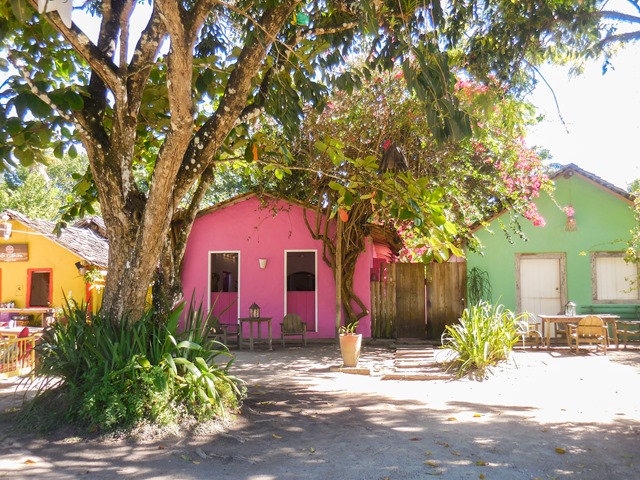
As the sunlight filters down between the leaves and tropical blooms, leaving dappled shadows on the colourful cafes, we feel as though we’ve stumbled into someone else’s good fortune, someone else’s life.

quadrado trancoso


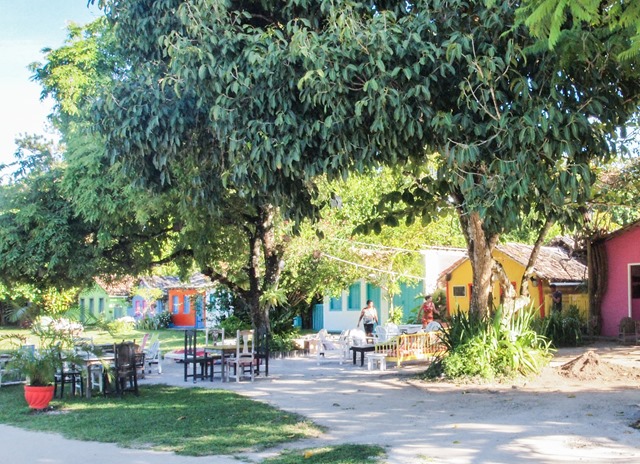
Trancoso

But if it looks heavenly by day, by night it is positively magical.

When the sun goes down the paths are laid with flickering tea lights. Around the edges, cafes, shops and restaurants string lanterns from the trees and lay out deck chairs and colourful cushions beneath the boughs. The sound of gentle music floats out from the twinkling bars. As we emerge for the first time from the dirt track that leads from the hotel, it is difficult not to gasp with delight.

https://instagram.com/p/xHqi_Dx1nZ/?modal=true


And then there’s the shops. The tiny boutiques overflow with bohemian style with a Brazilian twist: raw silks, floaty chiffons and the silkiest satins, a riot of tropical shades and prints, and embellished with glittering beads. Even the swimwear has sequins on it which leads me to suspect it’s not actually intended for swimming (a beach party we witness while walking past one of the swankier resorts later in the week confirms this). However, you can forget about buying a souvenir. This is boho chic at its most exclusive and while I’m reasonably convinced I could pull off a sparkly pineapple print thong, I settle instead for a pair of Havaianas, bought for 25 Reais (£5.70/$8.70) in the supermarket down the road.

https://instagram.com/p/xHrMr8R1om/?modal=true


Christmas morning, when it dawns, is a characteristically relaxed affair. At breakfast we join the staff and other guests in wishing each other “Feliz Natal” as we tuck into fresh watermelon and slices of coconut cake. Then it’s time to hit the beach.

The local praia is a ten minute walk (or twenty minute hobble, if you’re Rob) down the hill from the end of the Quadrado, through the mangrove swamps via a small bridge, and onto the sand.

trancoso beach

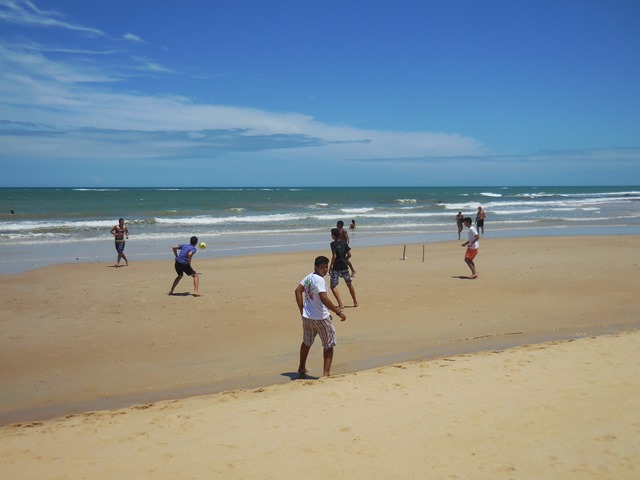
From this point the beach stretches out as far as the eye can see in either direction, backed by palm trees and punctuated with beach bars and restaurants which, for around R100 (or a minimum spend of the same) will rent you sun loungers and parasols. Given that this is our first time on the beach (apart from a couple of hours in Cartagena) since we started travelling, we are happy to cough up and while away the hours between swimming and sunbathing sipping ice cold beer and watching the locals have a kickabout on the golden sand.

trancoso beach

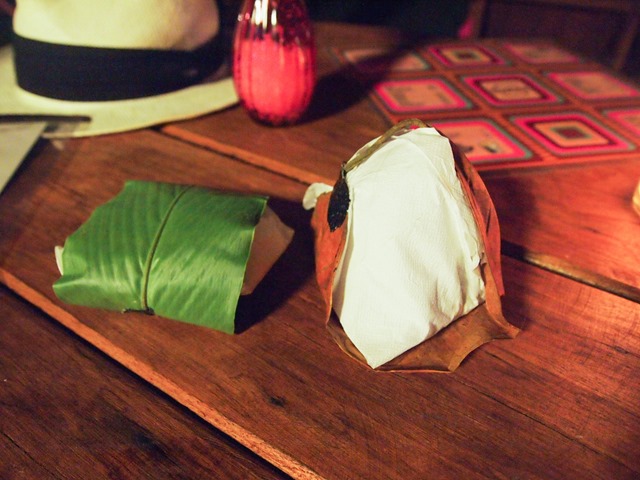
In the evening we don our occasion wear (ie our cleanest clothes) and head out for Christmas drinks. We agreed weeks ago that we wouldn’t bother with presents, the trip to Trancoso being enough, but at the last minute we’ve decided to exchange small gifts. Giving ourselves a backpackers budget of R30 (£6.80/$10) we have tasked each other to go out and buy a surprise. Wrapped in leaves and toilet roll and sealed with gaffa tape they sit on the table in front of us as we sip our festive caipirinhas. It’s the moment of truth. Rob’s got me a decorated stone trinket box and a silver bangle. I’ve managed to find him a mini percussion instrument made out of a coconut shell.

christmas presents for backpackers

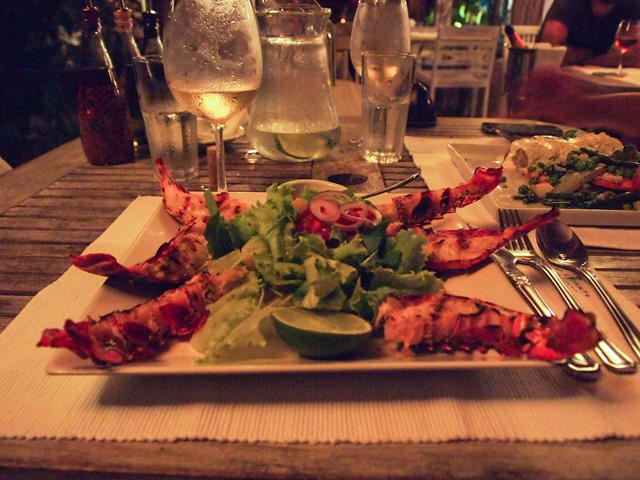
For Christmas dinner we head back to the hotel where the restaurant is excellent. I have the lobster because if I can’t order lobster on Christmas day in Brazil, when can I? Rob goes for sea bass in a creamy nut sauce. We even manage to find a Brazilian white wine to go with it. True, there’s no Christmas pudding on the menu but somehow we manage to make do.

Christmas in Trancoso

Feeling tipsy and giggly we meander our way through the gardens to our little cabin. It’s been a truly magical day. In a few days we’ll be back to drinking cheap beer in sweaty hostels so for now, let’s close the mosquito nets, turn up the AC and finish off this bottle of wine.

https://instagram.com/p/w9hIuKR1h4/?modal=true

bogota colombia

Colombia: The Debrief

Stuff we did that you can do too…

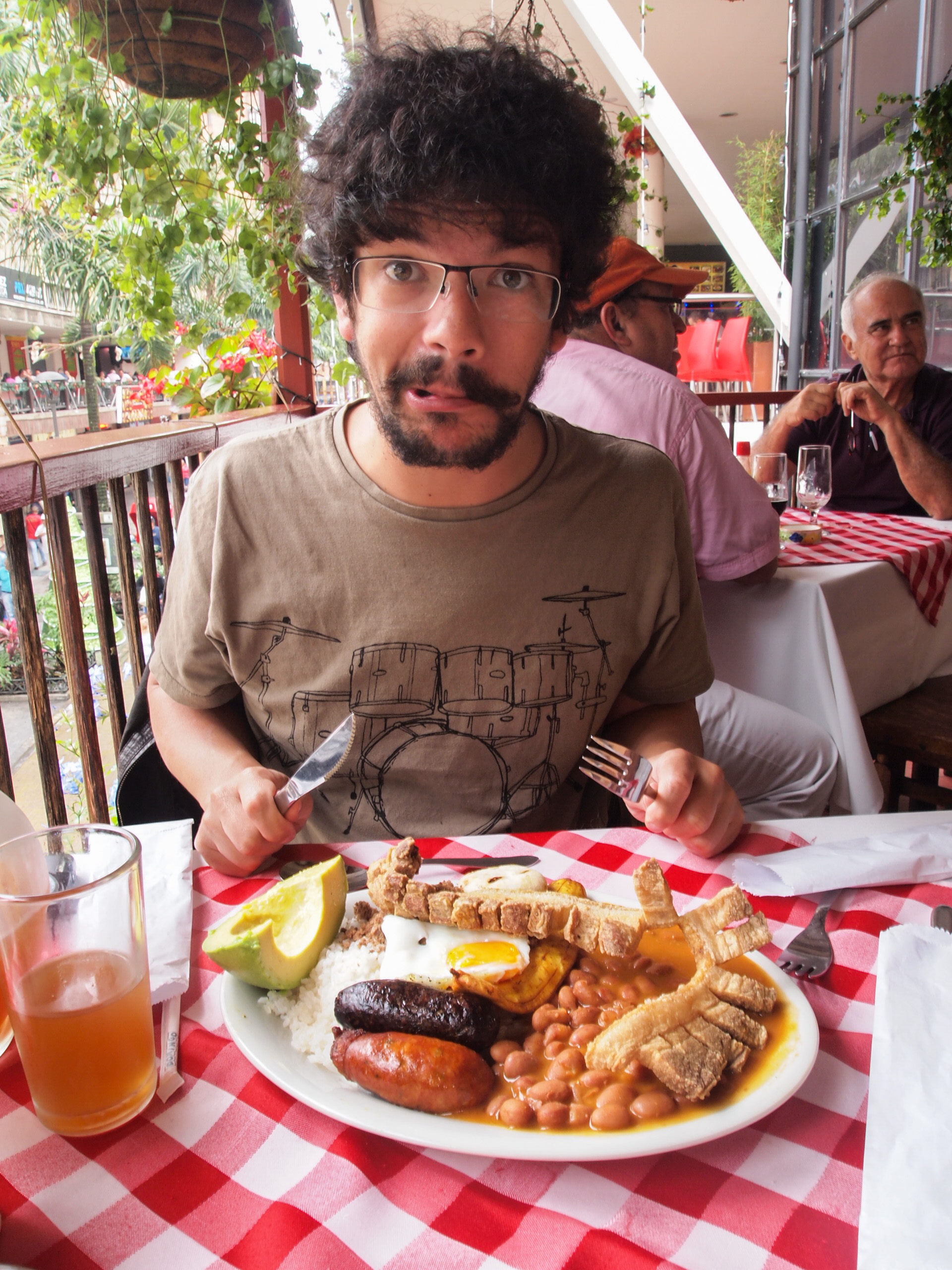
Eat: Bandeja paisa

This Medellin dish isn’t so much a delicacy as a massive heart attack on a plate. The ingredients are fried pork, red beans, white rice, ground beef, black pudding, fried egg, plantains, avocado and arepa (Colombian flatbread).

There are variations to this of course but however you do it, a bandeja paisa makes the English Breakfast look like a wheatgrass and kale smoothie.

Medellin food

Don’t worry, he didn’t eat the whole thing – we shared a plate

Drink: Aguapanela

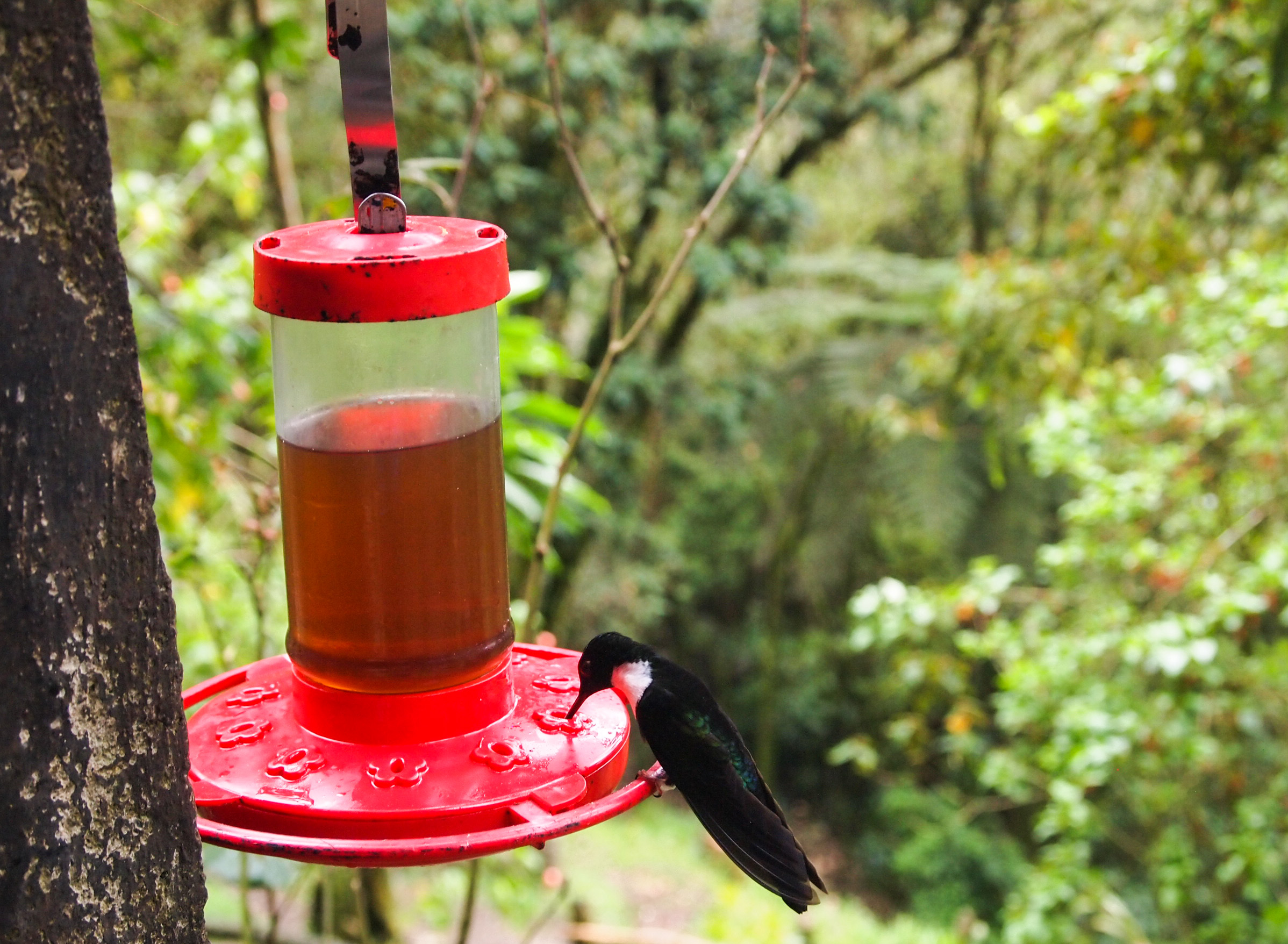
Made by dissolving unrefined cane sugar in either hot or cold water. Essentially it’s nothing more exciting than sugary water, but the addition of a bit of lemon or lime turns it into a refreshing pick-me-up on hot days. You’ll find it sold on city streets, while out in the country it’s just as good for attracting hummingbirds as it is for refreshing tired hikers.

hummingbird sanctuary

Try: A game of tejo

This is a game that dates back to pre-Columbian times. Players hurl metal discs weighing about 680g at gunpowder-filled squibs resting in pits full of clay, some 20m away. A loud bang means you scored points, but you can find out more about the scoring system here. Tejo is second only to football in the Colombia sporting consciousness. Best played while drinking copious amounts of beer.

Buy: Fresh coffee

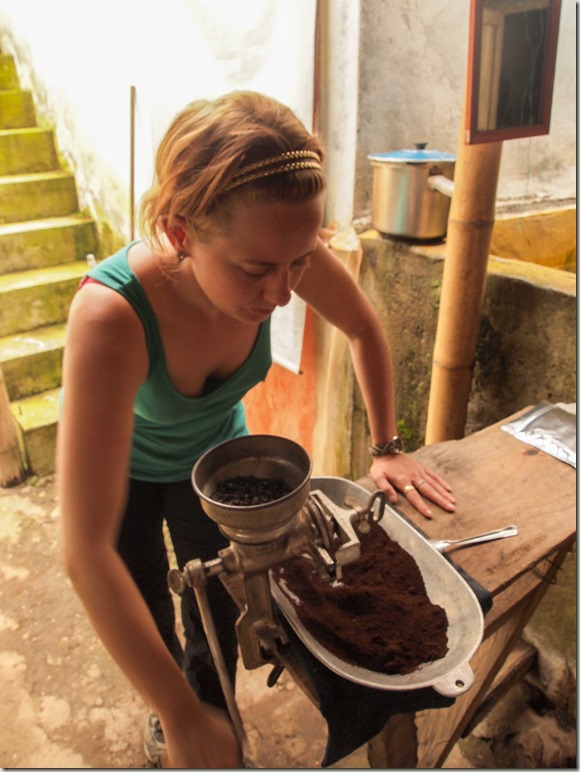
There’s surprisingly little good stuff available to order in cafes or restaurants, with most of the quality beans earmarked for export. But near the coffee-making town of Salento, you can pick up some great fresh beans and grind them yourself. Try the Don Elias coffee tour and pick up a bag at the end.

salento coffee tour

Do: Consider flying instead of taking the bus

Buses are still the cheapest way to get around but Colombia has some surprisingly cheap and regular flights between its major cities. Check out Avianca or, if you can do without hold luggage, low-cost airline Viva Colombia does some good deals. The mix of dense jungle, high mountain plains and plunging valleys means that it can take 20 hours to get between cities that really aren’t that far away from one another. So if you book early and grab a good deal, flying can spare you a long journey through winding roads with someone being sick in a bag next to you. Seriously.

Don’t: Believe the scare stories

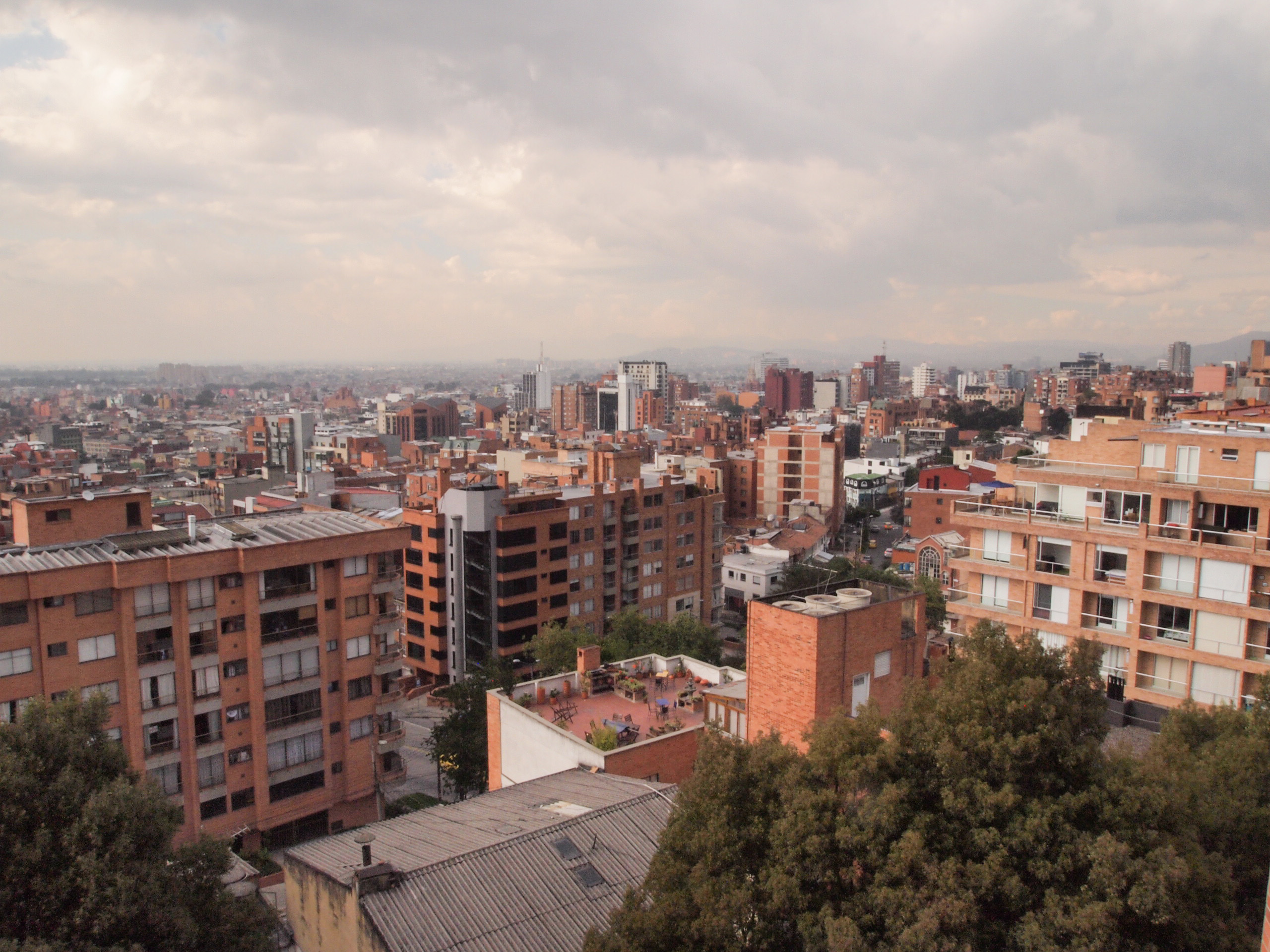
As Rob discussed in his post on former murder capital Medellin, Colombia has come a hell of a long way in the last decade. Reputations take longer to change than reality and it’s likely that friends and family will bombard you with horror stories about Colombia.* The truth is, the necessary precautions are much the same as you would take in any other part of Latin America. Of course Colombia has crime. The drugs trade has not vanished overnight (though it is largely contained in certain areas) and the wealth divide exists just as it does anywhere. Obviously don’t go wandering into the dodgiest neighbourhood at night waving your iPhone but would you really do that in any city?

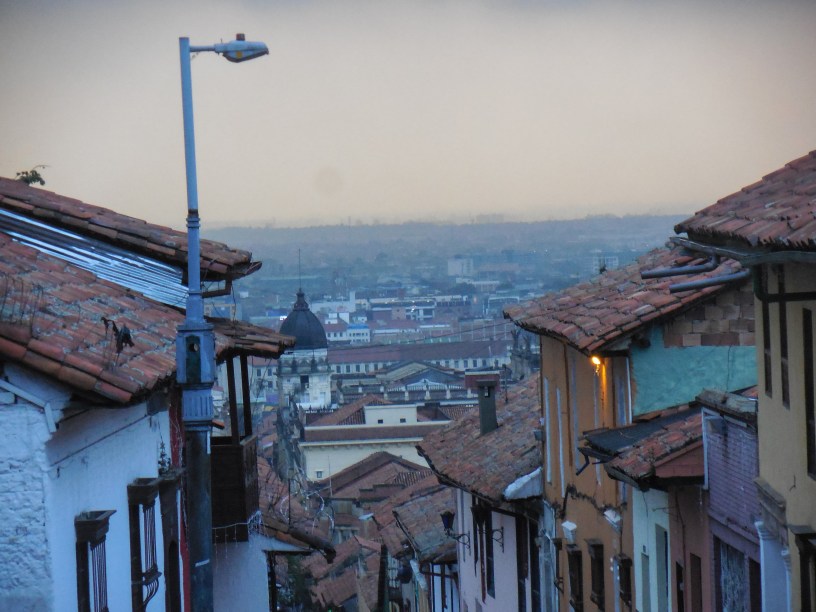
Bogota skyline

Bogota is perfectly safe as long as you’re sensible

Above all, don’t let your preconceptions (or other people’s) stand in the way of getting the most out of this amazing, magical country.

* Or, if you’re Franki’s dad, a warning based entirely on a fictional scene in the film Romancing The Stone.

And not forgetting…

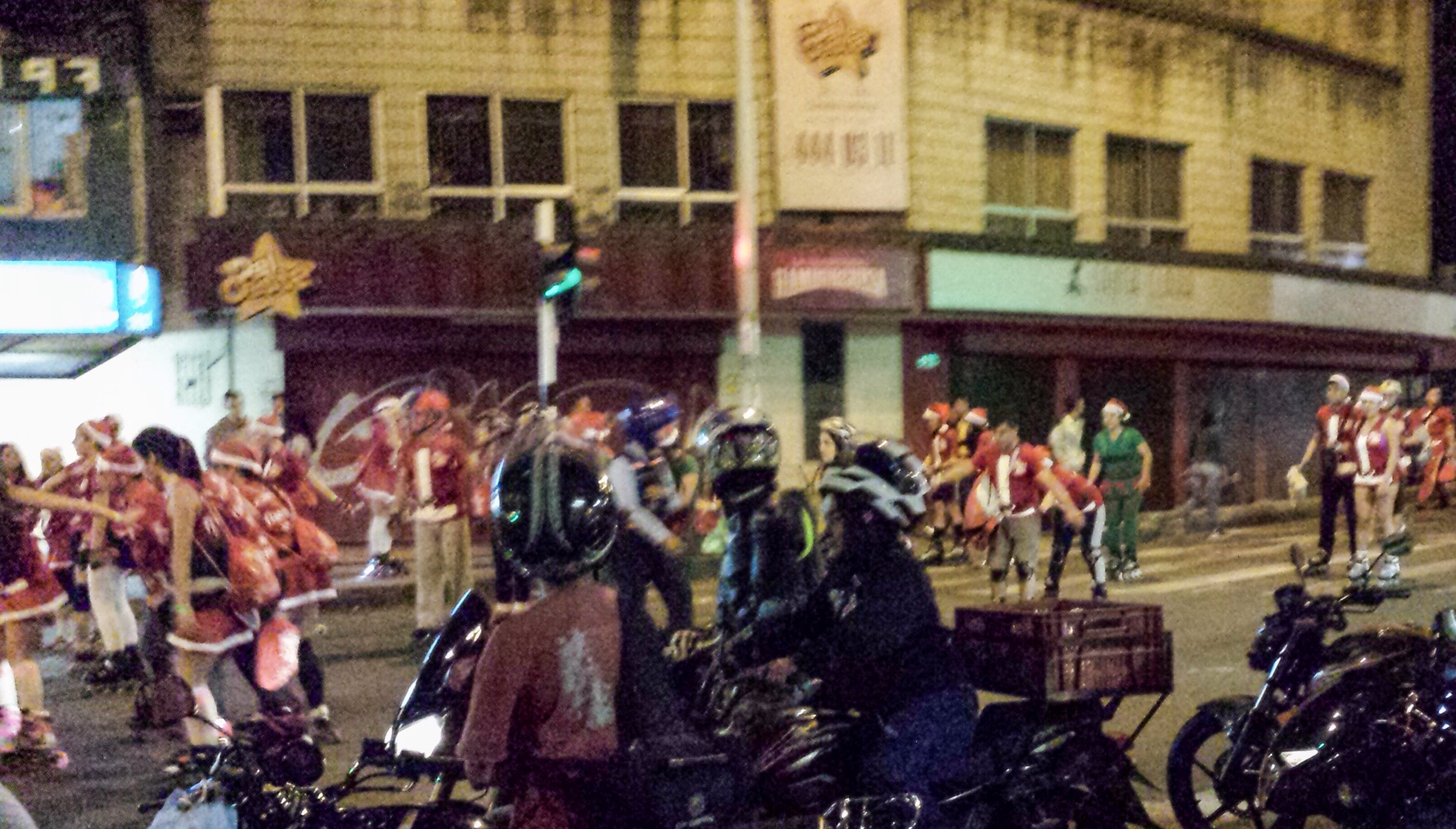
…the time our taxi was held up for half an hour by about ten thousand roller-bladers dressed in Father Christmas outfits. Colombians don’t do Christmas by halves.

Medellin Colombia

Booze of the World 3: Colombia

On to Colombia now. It may be famous more for its intoxicating powders than its beverages but there’s a craft beer revolution stirring…
 
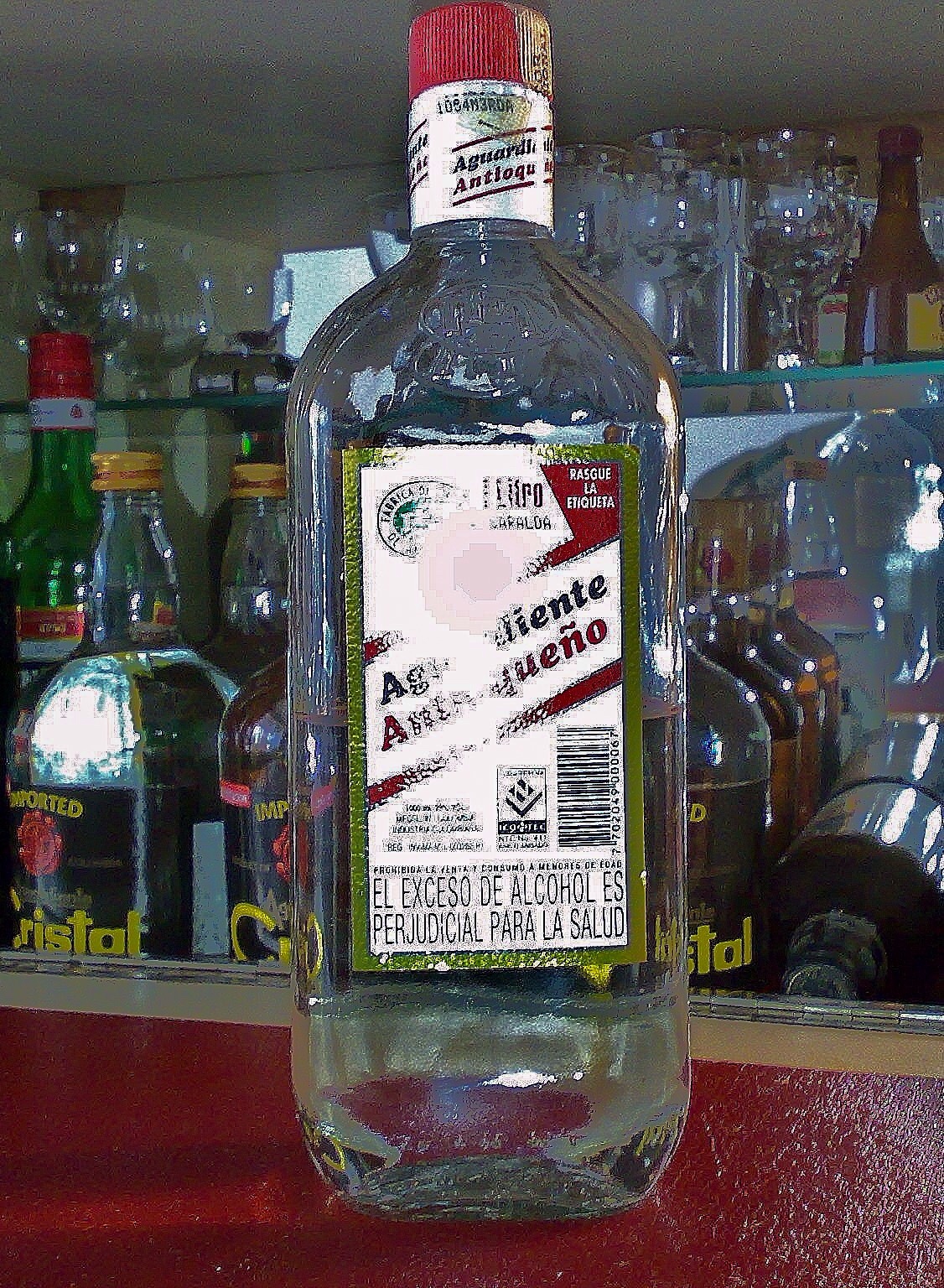
Aguardiente: Found in different forms across Latin America, aguardiente literally means ‘fire water’. In Colombia it’s a grimace-inducing concoction made of sugar cane and flavoured, unfathomably in my opinion, with aniseed.
Aguardiente Antiuqueno

Warning: This beverage can seriously contort your face (Source: Wikipedia)

You’ll see the stuff being ordered by the bottle and shared around at parties and bars, particularly in the high mountainous regions. I’m probably not the fairest judge because I loathe aniseed and Colombian Aguardiente tastes like some evil genius fermented Liquorice Allsorts. Imagine someone extracted everything that makes Sambucca vaguely drinkable and you’re halfway to understanding the awfulness.

Check out this blog for a witty account of the horror of aguardiente.

Beer: As we move out of Central America, the beer situation improves markedly. Yes, you are still assaulted with Latin much-of-a-muchness pilsners, such as Aguila, Pilsen and the slightly more complex Club Colombia.

But Colombians have noted the micro-brewing revolutions going on elsewhere and are responding, with varying degrees of success. 3 Cordilleras, Moonshine and Apostol all boast a strong range including Pale Ales, Weizen and Ambers, most of which offer a decent alternative to light pilsner without being particularly memorable. They can be found in many supermarkets and some bars in the bigger cities too.

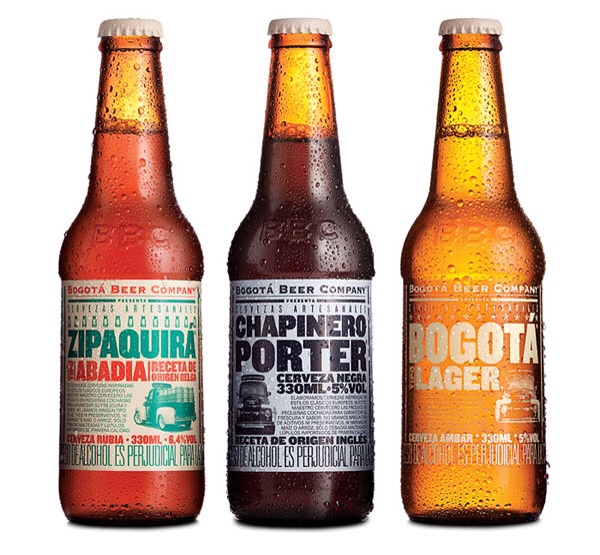
The most successful among the new brewing breed is the Bogota Beer Company, which has the most impressive armoury of anywhere I’ve found in Latin America so far.

Bogota Beer Company

Three of BBC’s impressive range of brews (Source: http://www.creadictos.com)

Its range includes a 5% ABV ‘English recipe’ Chapinero Porter, the Candelaria Clasica IPA and the Monserrate Roja (red ale). I was particularly pleased with the Cajica Honey Ale, which succeeds in avoiding the sickliness you get with some honeyed beers.

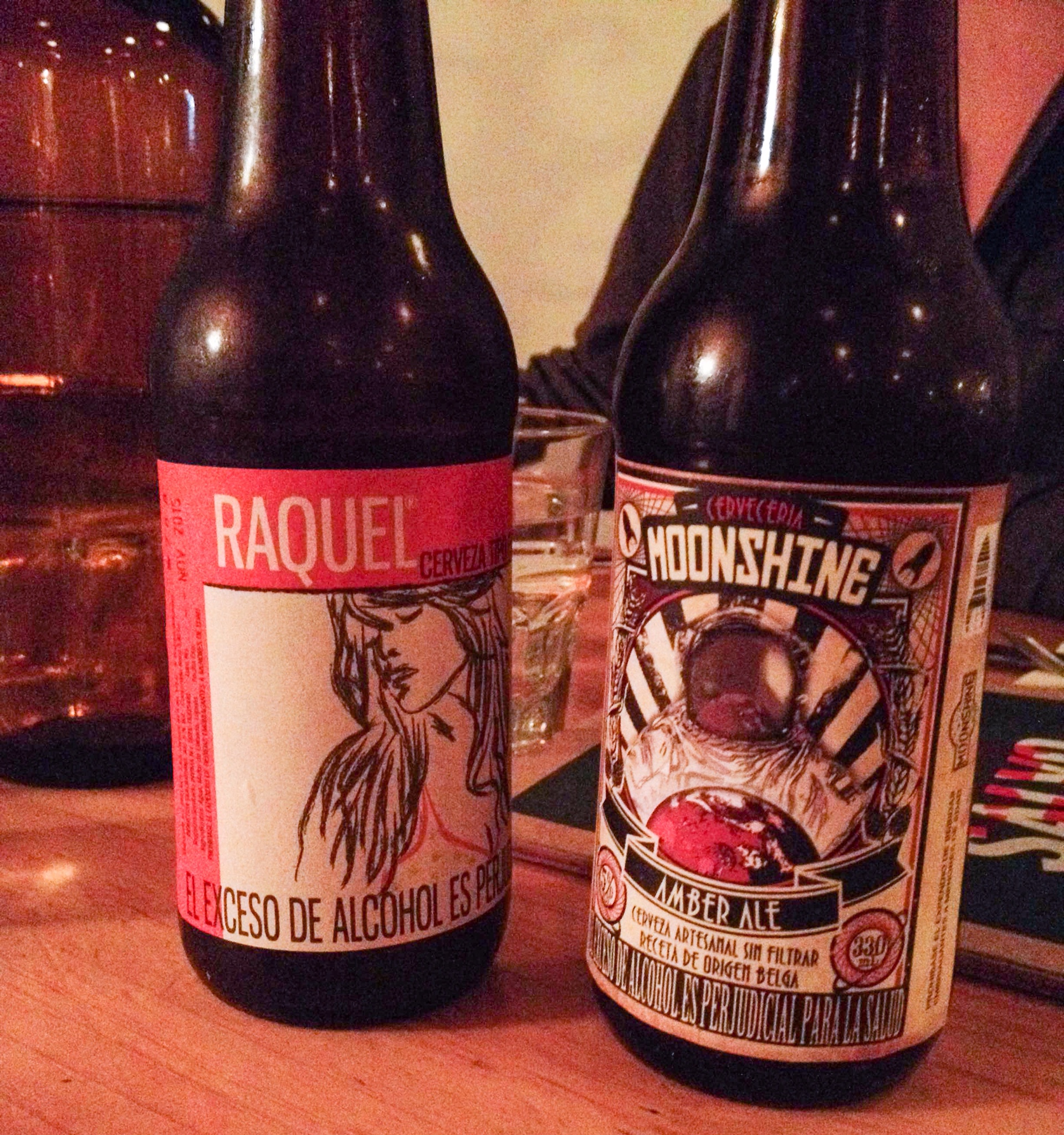
The highlight though was the Raquel pale ale from the Chelarte brewery, a robust and hoppy American ale at 5% ABV that could hold its own among what you’d find in any bar in Portland or San Francisco. Here it is alongside a tasty Moonshine Amber Ale, served with dinner at Bogota’s wonderful Salvo Patria restaurant (featured in Franki’s ‘How to be a hipster in Bogota’ post).

Raquel and Moonshine cervezas

Raquel and Moonshine, not two strippers but some great Colombian beers

Other: Slim pickings beyond beer and aguardiente i’m afraid. Colombia’s big cities all have some high-end restaurants but if you’re drinking wine you will be emptying your wallet pretty quickly.

If you like gin (hello Franki!) be prepared for a shock. It may be among the cheapest drinks in Anglo-Saxon countries but it sells for the price of a small car in Colombia. Honourable mention goes to the Agua de Mar restaurant in Cartagena, which has a comprehensive gin list, albeit for a king’s ransom.

Being Caribbean, Cartagena also has plenty of rum on offer but nothing local to write home about.

The verdict

Top tipple: Un Cajica Honey Ale por favor.

Gourmet’s choice: The Raquel pale ale from Chelarte

Bubbling under: A gin and tonic at Agua de Mar, Cartagena

What to slur drunkenly: “I frickin’ HATE aniseed!!

Next stop on Booze of the World: Caipirinha time…it’s Brazil

* Sobering tip: Do not leave your drink unattended. Drink-spiking with the aim of robbing or sexually assaulting people is a problem in Colombia. Be aware of where your drink is at all times and don’t accept anything from strangers that isn’t sealed when you get it.

Fernando Botero birds

Medellin: From murder capital to tourist mecca

Mention Medellin to anyone from elsewhere in Colombia and they’ll respond with a bevy of cliches, very few of them positive.

Paisas – the word for people from Antioquia, the province whose capital is Medellin – carry their reputation before them.

They are known as shrewd businessmen who will have the shirt off your back before you know it. They are said to be proud to the point of arrogance, believing themselves a cut above the average Colombian. And they are viewed as tacky, valuing bling and money over all else.

Gaudy baseball caps in a shopping centre in Medellin

Medellin: Like Jersey Shore, only with less modest fashion

Outside Colombia, the reputation of Medellin is more one-dimensional. This was the cocaine capital of Colombia, the city ruled by drug lord Pablo Escobar and his Cartel in the 80s and 90s.

Violent wars between rival militias pre-date the Colombian cocaine trade. But it was drug money that escalated this conflict, providing the cash to buy ever more sophisticated weaponry.

As drug barons competed for turf armed with military-grade ordnance, Medellin became the most bloody city in Colombia, despite stiff competition.

By the peak of Escobar’s reign in 1991, it was the homicide capital of the world, with a murder rate of some 381 per 100,000 people.

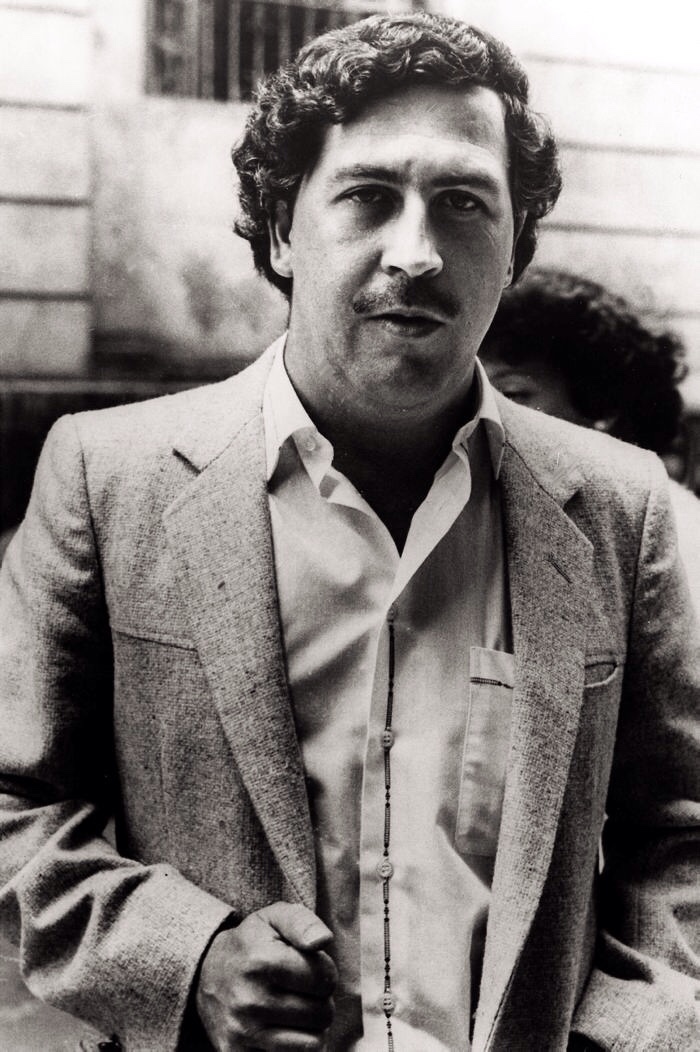
Pablo Escobar

Pablo Escobar’s drug empire made him the de facto ruler of Medellin

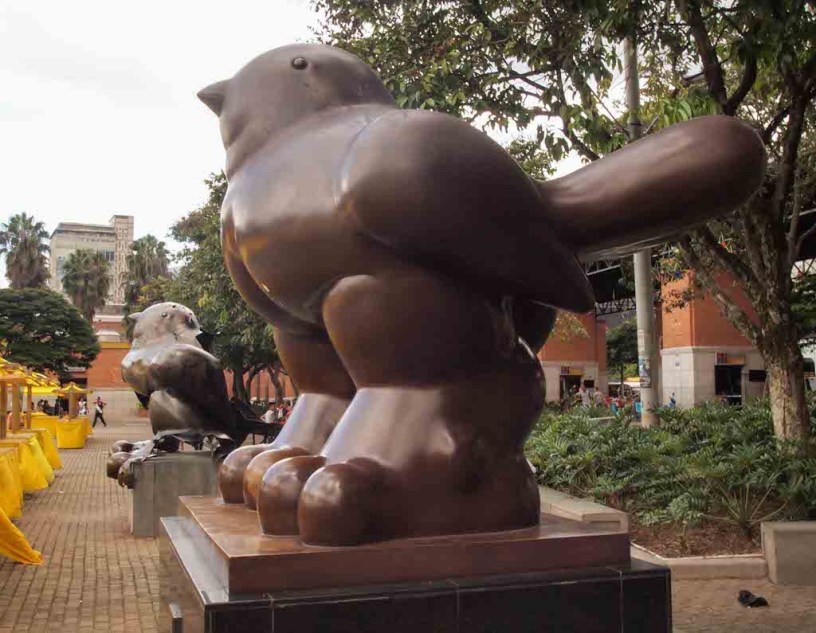
Today it is 35th, with a more acceptable 38 murders per 100,000 people. That’s fewer than New Orleans, no great boast perhaps, but still a dramatic slide down the murder hit parade. The image introducing this blog on the homepage shows two statues by the renowned painter and sculptor Fernando Botero, born in Medellin. The original was blown apart in a bomb attack that killed 30 people in 1995. One can’t help but see the symbolism in Botero’s defiant insistence that he remake a new statue exactly as it was, next to the disfigured individual.

This is not to pretend that violence and the gang problem have gone away.

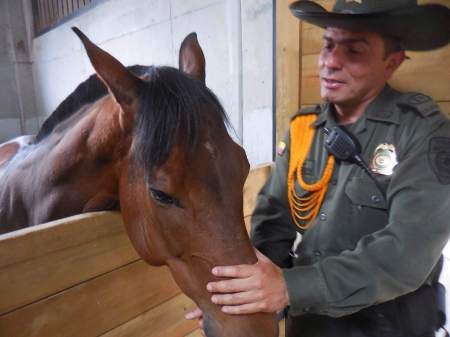
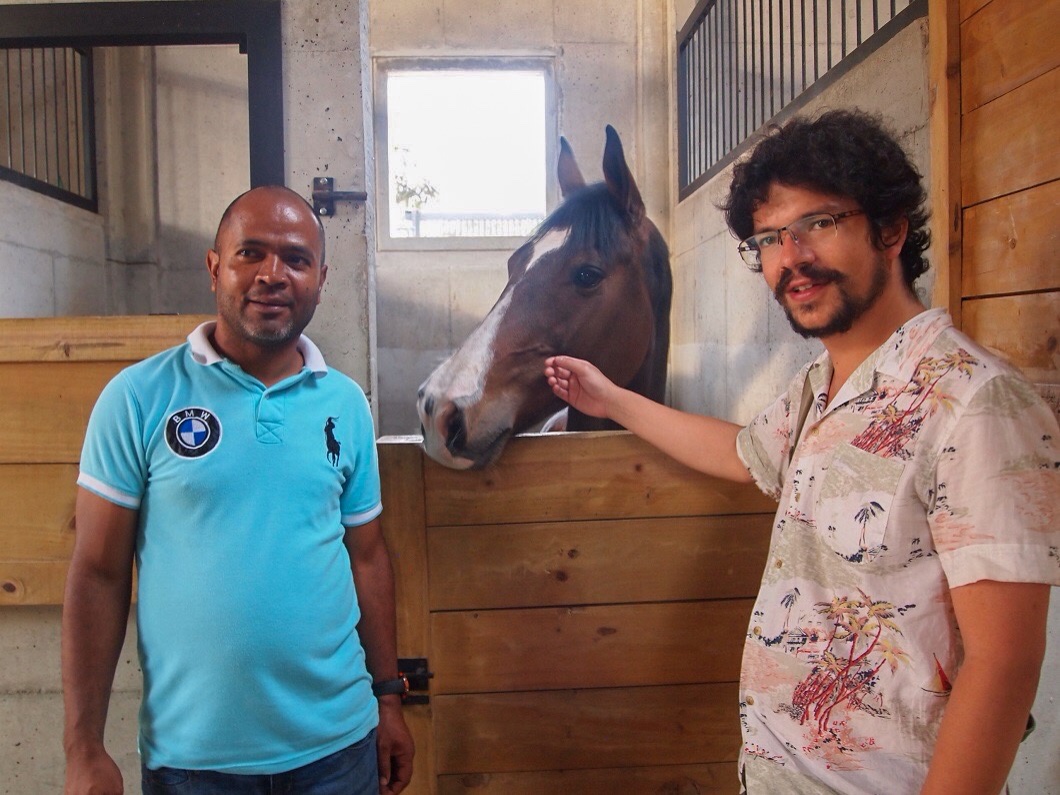
Gangsters still control what goes on in parts of the city and it remains a dangerous place to live for many. I spoke to a serving police officer at a stable for police horses. Some of their best mounts had recently been killed in ‘tiroteos’ – shootouts with local criminals.

Police horse Colombia

A mounted police officer introduces us to his trusty steed

The cocaine trade is still rife, fuelled in part by tourists keen to tick off ‘doing coke in Colombia’ from their to-do list.

But Medellin’s improvement from the dark days of Escobar and his cartel has been phenomenal. And as this article (also from the Guardian) suggests, a major victory in the battle to revive Medellin has been to  sell its resurgence to its own citizens.

The palpable belief of the locals in the renaissance of their home town is one reason why, whatever other Colombians say about Medellin, I feel so much goodwill for this city. The more they believe in the transformation, the faster it becomes reality.

It may lack the chocolate-box charm of Cartagena or the cosmopolitan sophistication of Bogota. But you cannot help but admire Medellin’s entrepreneurial never-say-die spirit.

Medellin Colombia

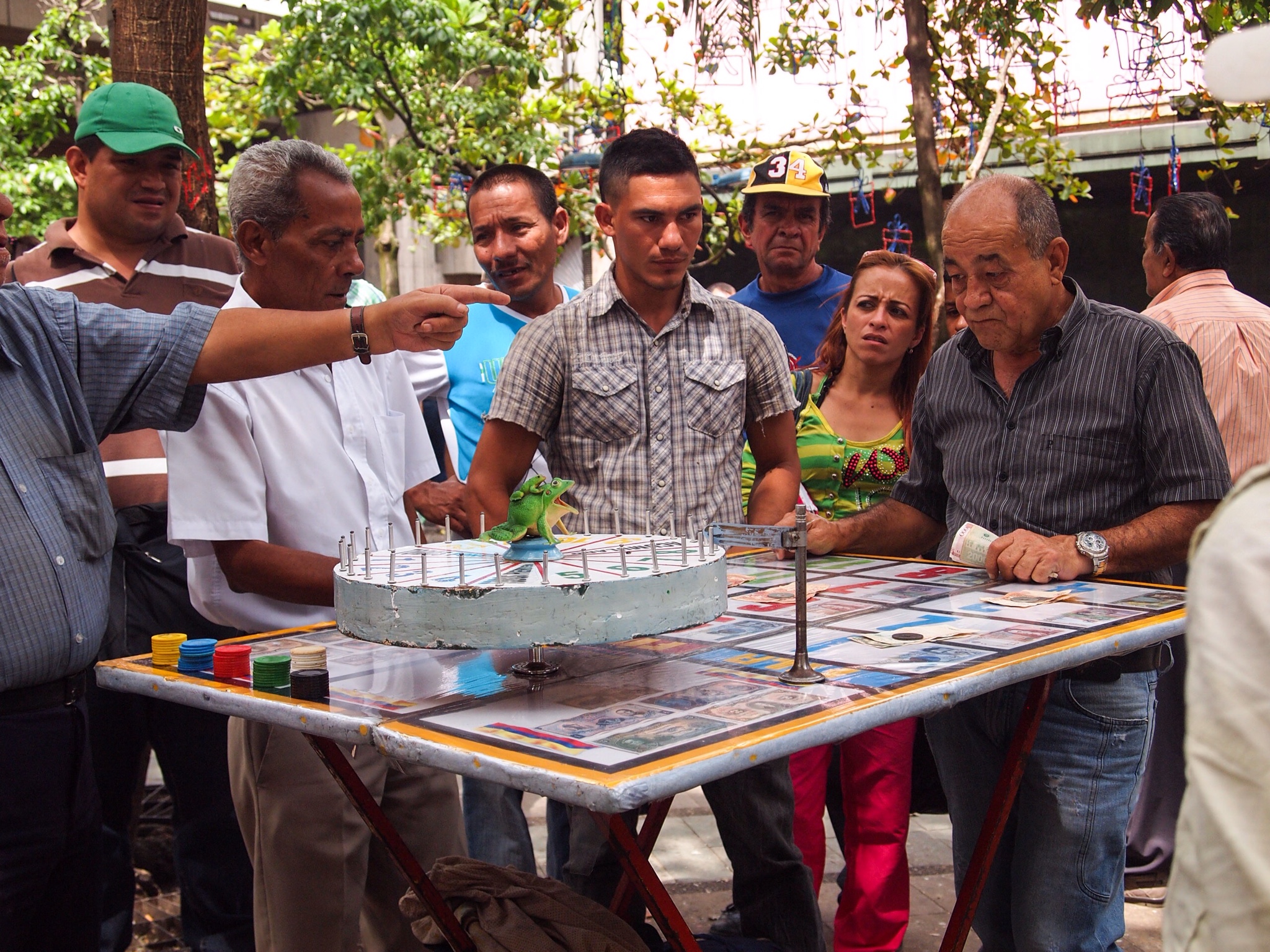
When the police come, this illegal gambling racket in the Parque Berrio disappears sharpish

There are practical and political reasons for this. Former president Alvaro Uribe is a controversial figure, who has been accused of having financial ties to some of Colombia’s paramilitary groups. Nonetheless, he is credited by many people with pouring sufficient money into the military to allow for a surge in tourism.

Medellin has been among the cities to benefit most. Just 20 years after Pablo Escobar’s death, tourists can even pay for a tour that includes a meeting with his brother Roberto.

At a more local level, the public works programmes started by Sergio Fajardo, the city’s mayor from 2003 to 2007, have been an important catalyst.

Sergio Fajardo

Former Medellin mayor Sergio Fajardo now governs the entire Antioquia province

Any visitor to Medellin can learn more about these by taking in one of the ‘free’ walking tours with Real City Tourss (there is a suggested donationn).

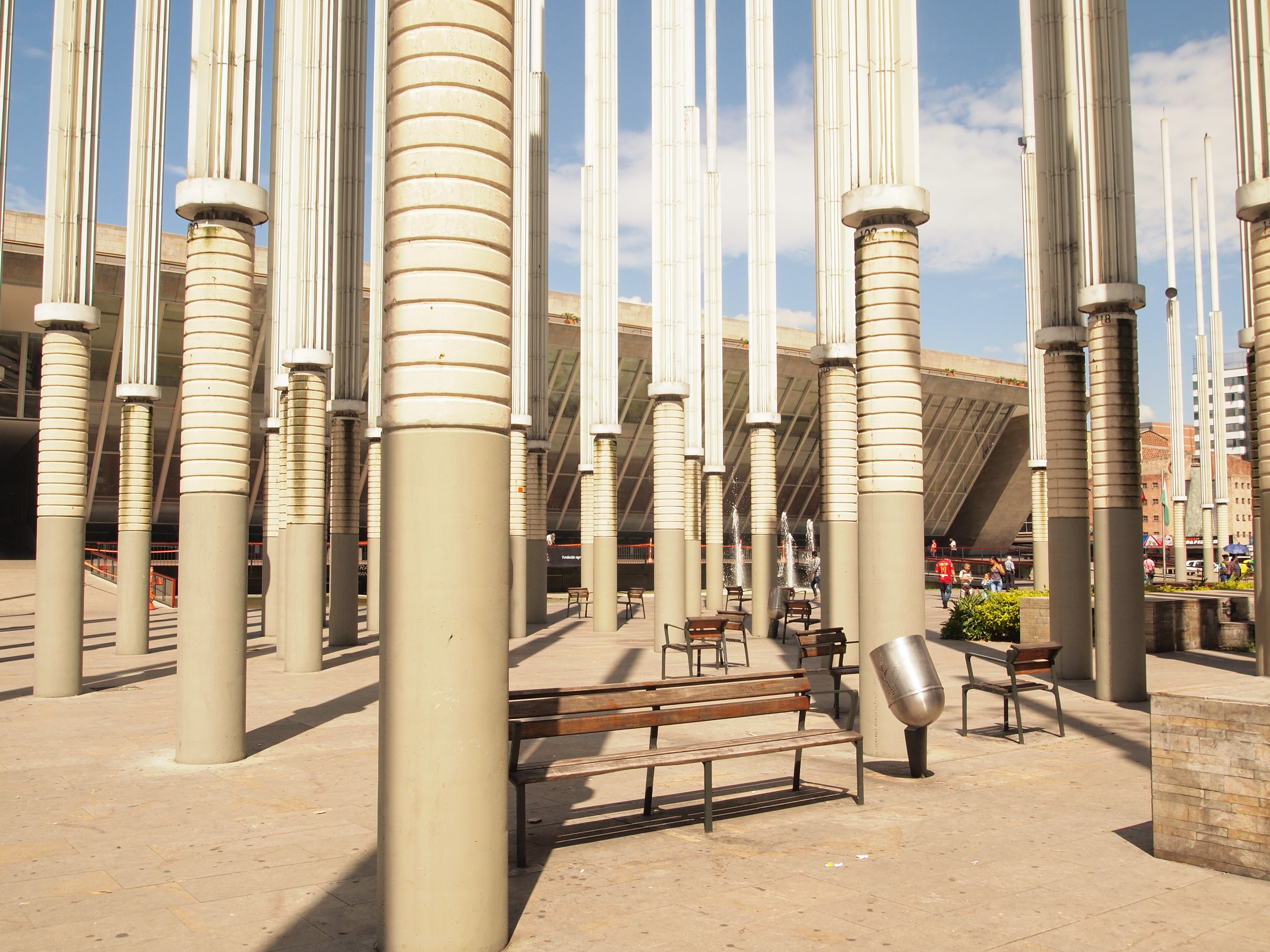
Our guide credited Fajardo with doing much to improve Medellin’s fortunes, an opinion backed up by other Paisas we met. Coming from a background of mathematics – rather than politics – meant that not only did Fajardo have a strong grasp on the city’s finances but he and his coterie were less prone to corruption. It was Fajardo who turned a square full of crackheads, prostitutes and criminals into the Plaza Cisneros, as good a symbol as any of Medellin’s progress.

Plaza Cisneros Medellin

These pillars, which light up at night, were built where crack dealers and prostitutes once roamed

Fajardo and his successors initiated and completed a series of incredible public works projects to help improve the lives of ordinary citizens. I won’t go into them all here but it’s well worth reading this account by Nobel laureate economist Joseph Stiglitz, writing in the Guardian.

With so much misery in their past, it’s no wonder that people from Medellin take pride in their city, almost to the point of arrogance.

This rebirth also means that tourists are greeted with open arms. It was here that Franki and I became friends with Ivan, an incredibly affable teacher who we met in Cartagena and who insisted on being our tour guide when we arrived in his home town.

Visitors should not be alarmed if locals gawp at them or approach and strike up conversation. For the most part, they are simply surprised and delighted to receive you in their city. Tourism remains a relatively new phenomenon, at least to the degree it exists today. To many Paisas, the influx of camera-toting gringos is evidence of how far they have come in such a short space of time.

Medellin has plenty to recommend it, such as the peaceful greenery of Parque Arvi…

Parque Arvi Medellin

Franki and Ivan enjoy the tranquil beauty of the Parque Arvi

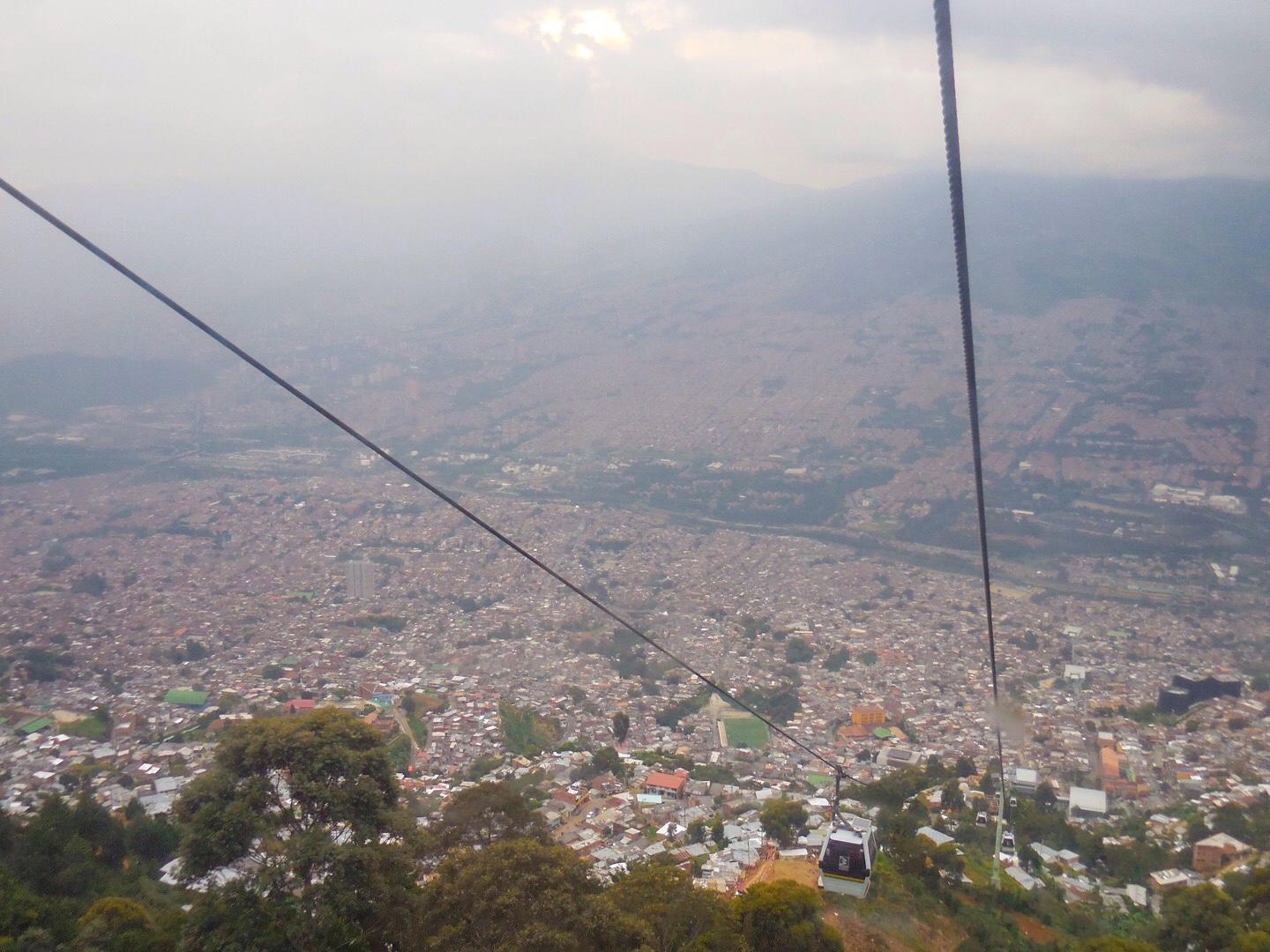
…or the cable car you take to get there…

Medellin cable car

The cable car to Parque Arvi takes 45 minutes and gives you incredible views

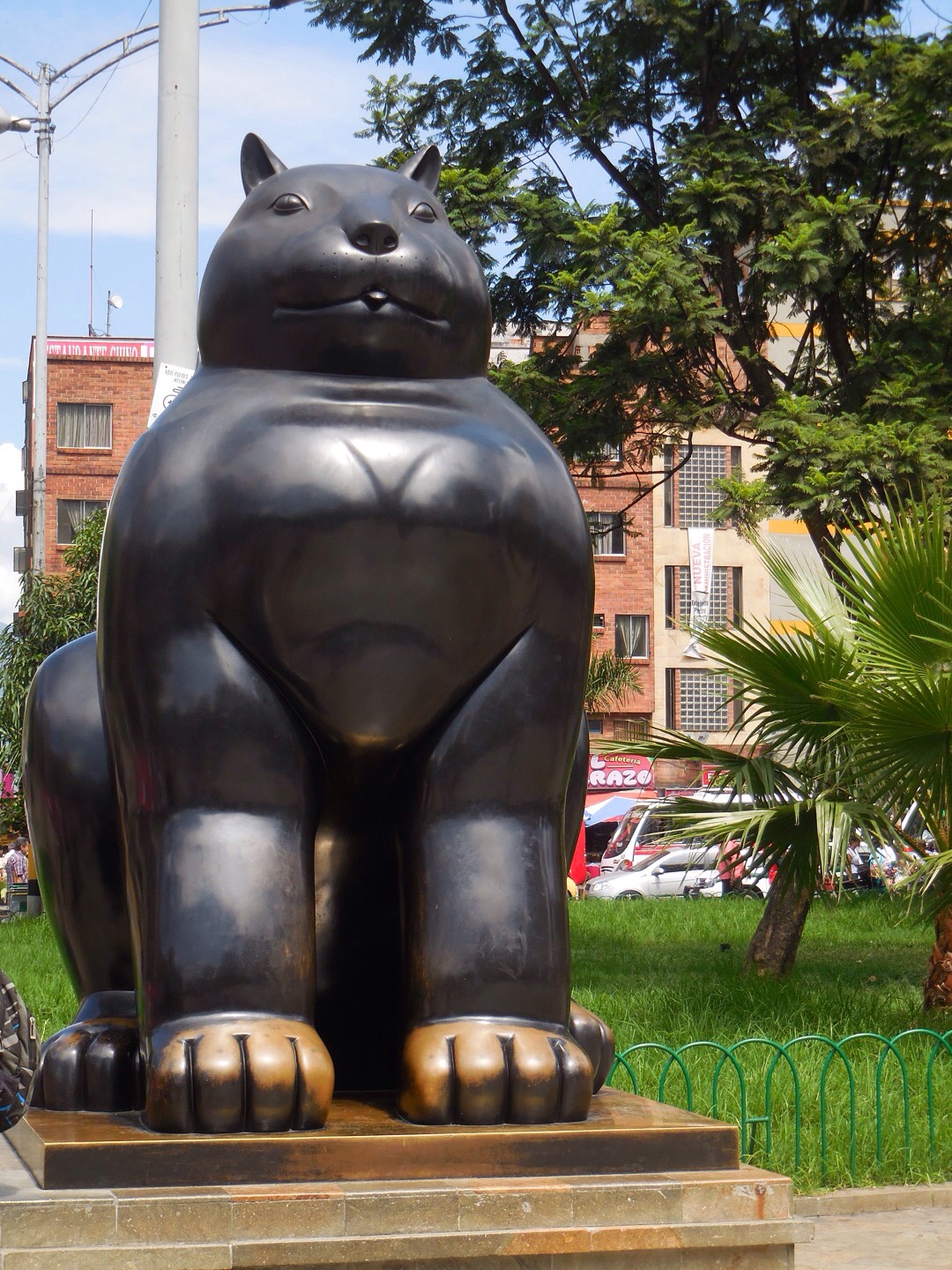
…or the Parque Botero with its plumply proportioned statues by the city’s famous artist son.

Parque Botero Medellin

One of Medellin’s notorious fat cats, a sculpture by Fernando Botero

Perhaps most attractive of all though is the refusal of its people to be beaten. They have endured, through times when there was no more dangerous place to live in the world. And they have come out the other side of that troubled past looking only to the future.

No wonder they are proud.

How to go backpacking as a couple and not break up

If moving in together as a couple is daunting, the thought of backpacking with your other half is a terrifying prospect.

Unlike cohabitation, where at least one of you is likely to be at work for 10 hours a day, travelling means you are going to be joined at the hip. ALL. THE. TIME.

Telling people we were off around the world elicited delight, envy, surprise and – most of all – horror stories about perfect couples who went their separate ways after a blazing row in the foothills of the Himalayas.

Two months in, this is what we’ve learnt so far:-

1. Be realistic about what to expect

If you think every day will be a montage of the two of you pointing happily at capuchin monkeys and dancing salsa on the terrace of a charming bar, you’re wrong. Of course you’re going to share unique and unforgettable experiences…

Quad-biking on Ometepe Island, Nicaragua

Get your motor running… head out on the highway!

… But you’re also going to lie awake on stained sheets, sweating in the blistering heat while cockroaches scuttle across the floor of your crappy hostel. You’re going to get off a 16-hour bus ride spent next to a vomiting child and then have to negotiate with taxi drivers.
Rob and Franki looking bored

The bits we don’t post on Faceboook… waiting in line for hours to buy bus tickets

Worst of all, one of you is going to suffer an explosive stomach bug, while the other pretends to be deaf from the other side of a wafer-thin toilet door. As long as you accept all of this beforehand, you won’t be too surprised when it happens.

2. Share the burden

If you’re anything like us, one of you is considerably more organised than the other. This should not be an excuse to let that person do all of the hostel booking and the route-planning. We’ve found it helps to take turns as lead organiser.

NB: To date, most of the major fuck-ups have been committed by the ‘more organised’ Franki. But sharing the burden also applies to responsibility for mistakes, so Rob’s not being (too) smug about it.

3. Find ways to relieve boredom

Travelling means hours on end wedged into an uncomfortable seat with nothing to do. So we invented a travelling game called ‘Cow on a Truck’, based on the weird and wonderful sights you see on the road. Every time you spot some exotic oddity, you make your case for whether it is worthy of replacing the current leader. Both parties must agree for it to ascend to the top of the list. We began with Cow on a Truck and have since been through Fire Juggler at the Traffic Lights, a Fruit Car Named Papaya (long story) and are currently on Ten Thousand Rollerblading Santas, seen in Medellin, Colombia. That one’s gonna be tough to beat.

Rollerblading Santas in Medellin, Colombia

These rollerblading Santas held up all the traffic in Medellin for more than half an hour. Ho bloody ho.

4. Present a united front

Haggling is part and parcel of travel, be it with taxi drivers, local tour guides or market stall-holders. There’s nothing worse than when one of you agrees a price, only for the other to disagree vehemently after the fact. This not only weakens your negotiating position but also foster resentment between you. If possible, try to decide beforehand what prices/outcomes you’re prepared to accept, or at least have any impromptu discussions about it as discreetly as possible.

NB: The exception is when you’re making a deliberate play, using your partner as a negotiating prop. This only works if you’ve agreed the tactic in advance. ‘Look, I’m sorry but my boyfriend is walking away…I have to go with him unless you can do it for $10.’ Crafty but it often works.

5. Both learn the lingo

If at all possible, it helps if both of you have some local language skills. When we first arrived in Latin America Rob was the only one who spoke any Spanish. It’s been invaluable in terms of getting the best out of our surroundings and has saved us money too. It would have been all too easy for Franki to sit back and relax while Rob took charge. But if only one of you is doing the talking, that can become quite a strain on them. Luckily Franki is catching up fast now which should help spread the load. Languages aren’t everyone’s forte but if you are going to give it a go, it’s worth making sure you both learn a few words.

6. Take a deep breath

Being around the same person all the time means they WILL get on your nerves sometimes. You’re in a room the size of an Iraqi prison cell, trying to pack up everything you own, you’re just about to stuff that final pair of pants into an already overfull backpack and you turn around to find your other half standing right in the bloody way. Tough luck, that’s not their fault, it’s just how it is. Take a moment and remember that an extra thirty seconds is not going to kill you and that this is part and parcel what you signed up for.

7. Talk to other people

When travelling as a couple, it can be harder to meet people. Double rooms are often as cheap as two dormitory beds, so you’re not always in a room full of people forced by sheer proximity to make friends. You’re also not a singleton on the pull, so the lure of a cosy restaurant is just as great as that of a rowdy bar. Making an effort to pick up friends as you go provides a break from only ever talking to each other.

Rob with Colombian friend and police horse

Rob with Ivan, our new friend from Medellin, Colombia and an affable police horse

NB: This works both ways. Sometimes single people can be lonely or vulnerable. Inviting someone to join you for a drink could be the difference between them having a fun night with new people or falling victim to the bad guys.

8. Do stuff separately

This is limited by the bounds of safety. If you’re in a fairly dangerous part of town, you may be better off sticking together. Still, when you’ve been in each other’s pockets for days on end, going solo to a market or even taking separate day trips can be a blessed relief. Not only that but you may find that you really miss each other after the time apart, making for a happy reunion that ultimately strengthens your bond.

Franki on a lancha on Lake Atitlan, Guatemala

Franki heads to Santiago Atitlan, Guatemala, while Rob lies groaning in a hotel room, poleaxed by a stomach bug

9. Don’t be scared of downtime

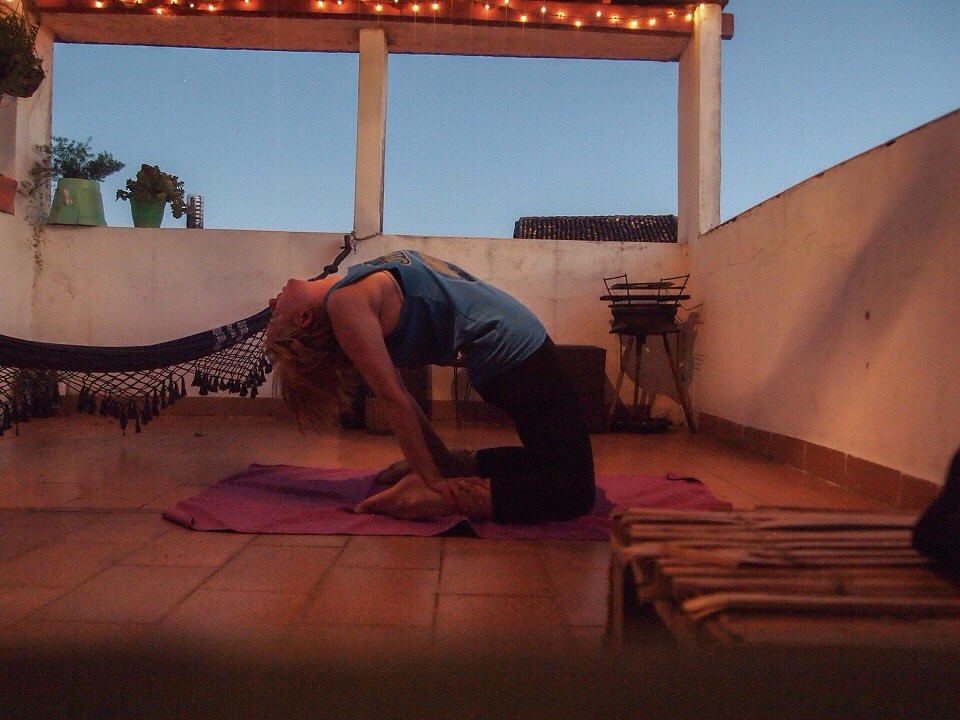
Alright, you’re only in Colombia/Rwanda/Laos/Rhyll (delete as appropriate) for two weeks but that doesn’t mean you need to spend every waking hour trawling round another temple that looks a lot like the last one. Taking the odd day to chill out, recharge and laze about can be crucial for bringing you down off the peaks of tension that can easily fuel flashpoints between you.

Franki doing the camel pose. ‘Hump’ jokes on a postcard please

10. Look after each other

It seems obvious but it matters. A lot. You’re not the same person. Sometimes one of you will be feeling bored, anxious or ill, while the other is in high spirits. When you’re ill in particular, it’s a huge help to have someone who is prepared to nurse you, mop your brow, hold your hair back or just go out to the pharmacy to get triple-strength prescription meds not available at home. It’s also the little things. It’s the helping hand when getting off a slippery boat while carrying a backpack. It’s keeping an eye out for the bandito sizing up your partner’s camera while they take that perfect shot of a colonial balcony. And it’s simply knowing when to shut up, or to speak up, whatever works for your loved one at the time.

So there they are, our ten tips for how to ensure your relationship survives spending month after month in the constant company of your other half. If you make it out the other side, you know you’ve found the right one!

Rob and Franki in a hammock in Cartagena, Colombia

The hubris of this post is not lost on us. Fingers crossed we’ll be this happy together after another ten months